
The mystery guest audit is the tool hotels use to measure the real guest experience from booking to check-out. A professional evaluator stays as an anonymous customer, logs how well every protocol is followed and delivers a report with objective, actionable data.
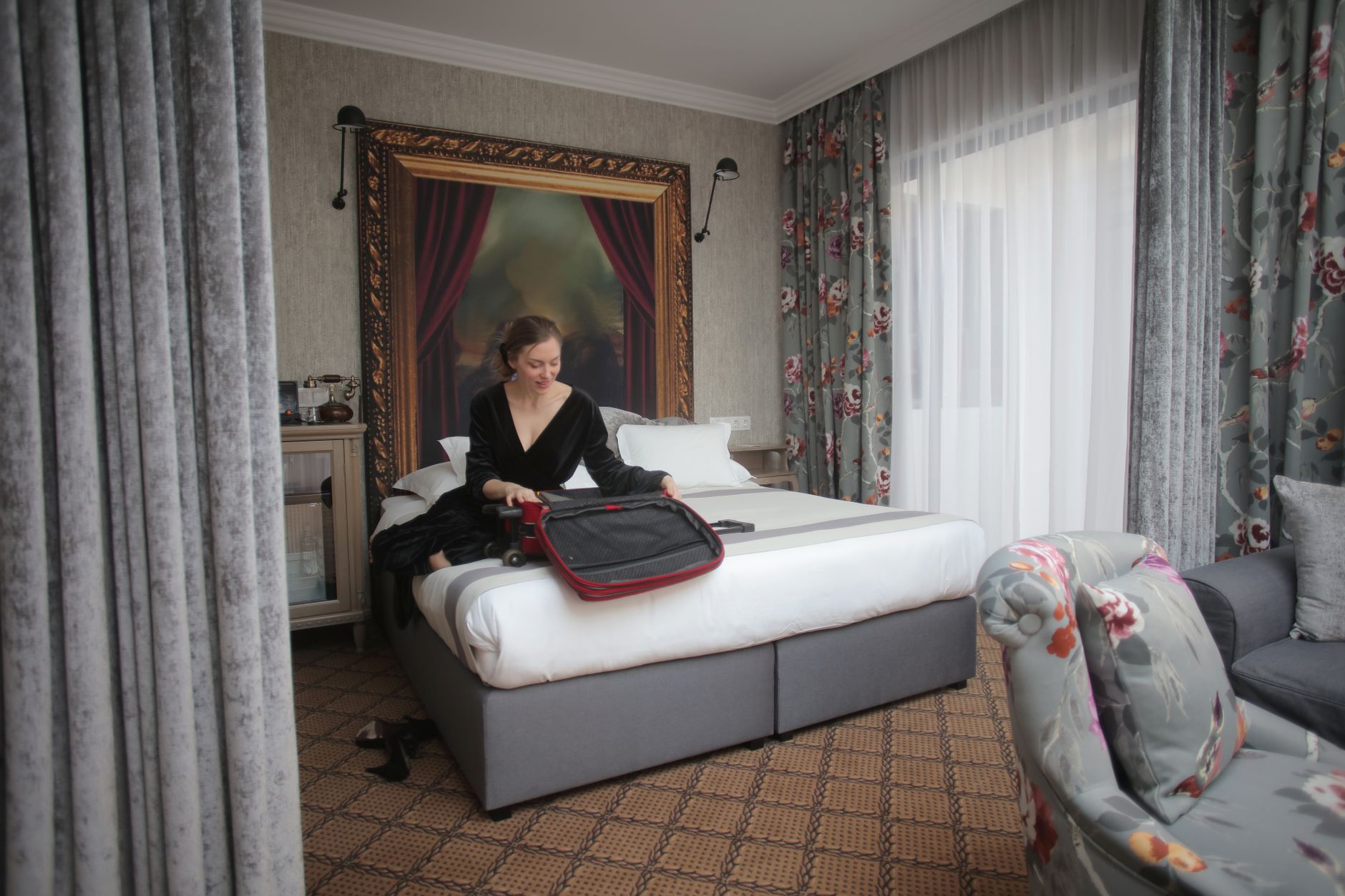
The mystery guest is the mystery shopping specialization for the hotel and tourist-accommodation sector. A trained professional evaluator stays at the hotel as a real guest — without identifying themselves — and measures how well service standards are followed at every touchpoint of the stay: from the booking process through to the farewell at check-out.
Unlike satisfaction surveys, which capture the real guest's subjective perceptions, mystery guest provides an objective, systematic evaluation with verifiable indicators: response times, water temperature, staff availability, room condition. Each indicator is compared against the standard defined by the hotel or chain and against sector benchmarks.
A mystery guest audit questionnaire covers six main areas:

| Criteria | Mystery guest | Satisfaction survey |
|---|---|---|
| Objectivity | High (trained evaluator, verifiable indicators) | Medium (voluntary-response bias) |
| Actionable data | Very high (root cause identified) | Low (general perception) |
| Shift coverage | Full (evaluator chooses the shift) | Partial (only those who respond) |
| Cost | Medium-high | Low |
| Anonymity | Full | Optional |
| Recommended frequency | Quarterly or monthly | Continuous (post-stay) |
A mystery guest audit is an evaluation of the guest experience carried out by a professional evaluator who stays at the hotel as a real guest, without identifying themselves. The evaluator measures how well service standards are met at every touchpoint: booking, arrival, check-in, room, restaurant, hotel services and check-out.
The 6 main areas are: (1) the booking process (website, phone, agency), (2) welcome and check-in, (3) room quality (cleanliness, amenities, equipment working properly), (4) hotel services (restaurant, spa, gym, concierge), (5) incident handling, and (6) check-out and farewell. The questionnaire can include 50 to 150 indicators depending on the hotel category.
A 1-night visit typically costs $220-$650 plus the evaluator's accommodation and meal expenses. Annual programmes with 4-8 visits (covering different shifts and seasons) cost 30-40% less per visit. For hotel chains, pricing is negotiated as a flat rate based on the number of properties audited.
At least 4 visits a year is recommended to cover the different seasons (high, mid and low) and shifts (morning, afternoon, night). 5-star hotels and chains with strict standards typically run monthly or bimonthly visits.
It's very difficult if the mystery shopping company is experienced and rotates evaluator profiles. In hotels with small teams (boutique properties, 10-20 rooms) staying anonymous on repeat visits can be trickier, which is why it's recommended to space out visits and vary the evaluator's profile (couple, solo business traveller, family with children).
Satisfaction surveys capture the real guest's subjective perception, with all the bias that comes with voluntary response (mostly the very satisfied or very dissatisfied reply). Mystery guest provides an objective, systematic evaluation of protocol compliance, with verifiable indicators (check-in time, water temperature, staff availability) that surveys can't capture.