
Definition, process, phases, KPIs, costs and frequently asked questions. Everything you need to know before launching your first mystery shopping programme.
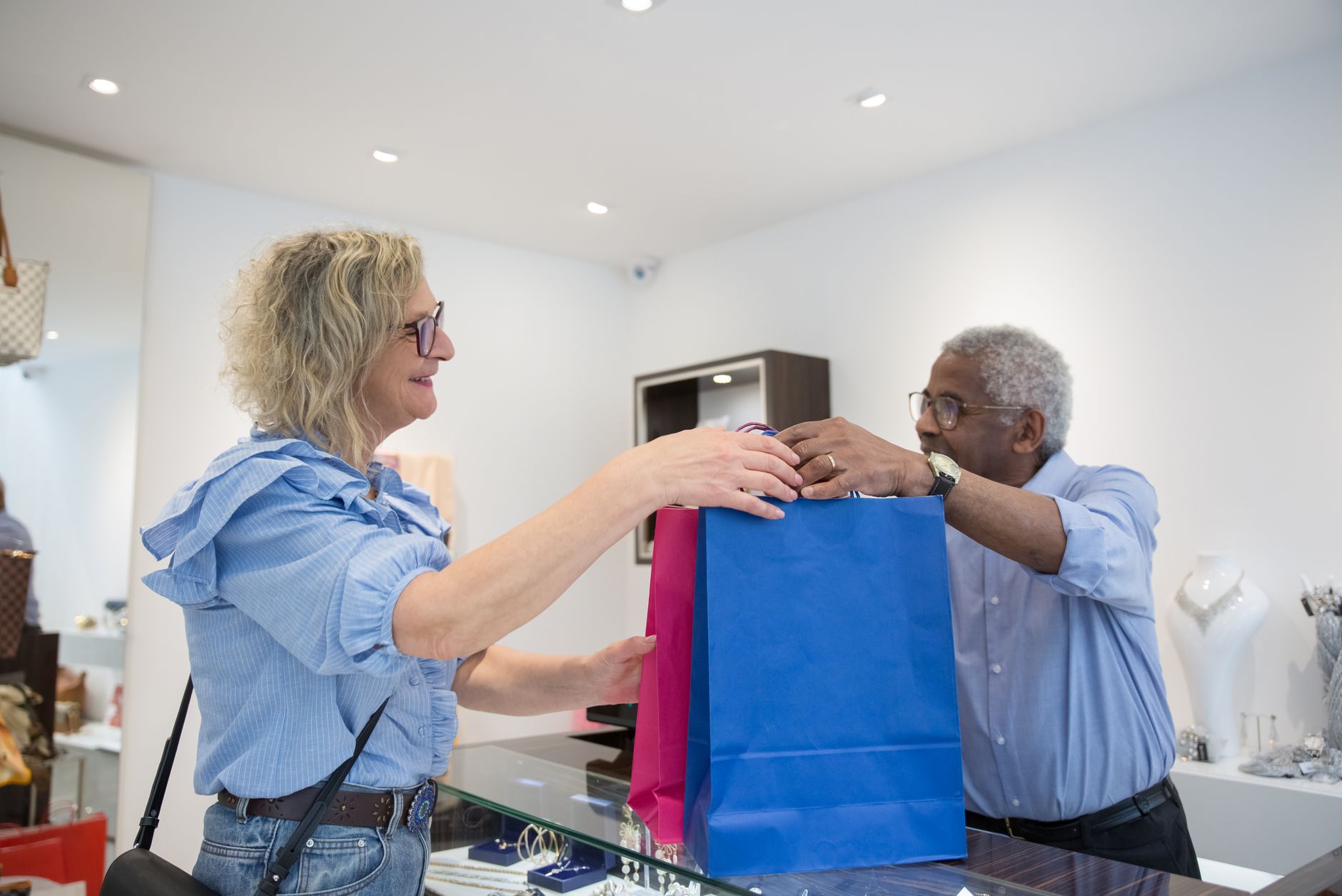
Mystery shopping (also known as secret shopping, mystery customer or undercover audit) is one of the most effective tools for diagnosing and improving the customer experience in retail, hospitality, banking or any other service industry. This guide explains what mystery shopping is, how it works and when it pays off to implement a programme.
A mystery shopping audit is a market research method in which an anonymous evaluator acts as a genuine customer and objectively measures service quality, adherence to service protocols and point-of-sale presentation.
Unlike customer satisfaction surveys, which rely on the customer's memory and mood, mystery shopping delivers objective, comparable and reproducible data about what actually happens in your store, restaurant, branch or franchise location. The evaluator does not report a general feeling — they document concrete facts: Did the sales associate greet the customer within 30 seconds? Did they recommend an add-on? Was the restroom clean? Did the receipt contain errors?
The method has existed since the 1940s (originally used to detect internal fraud in banks and department stores) and is now standard practice in retail, hospitality, banking, automotive dealerships and franchise networks. Companies such as McDonald's, Zara, Marriott and major banks use ongoing mystery shopping programmes to ensure service consistency across locations.
Although all three share the same anonymous-evaluator methodology, each focuses on a different context and duration:
At InsidePro360 we cover all three modalities across Spain, Mexico, Colombia and Argentina with 48-hour turnaround reports.

| Industry | Primary use case | Typical programme |
|---|---|---|
| Retail & fashion | Greeting, upselling, floor cleanliness | Monthly, all locations |
| Restaurants & hospitality | Service timing, food quality, allergens | Quarterly per location |
| Hotels | Full stay experience | 2–4 times/year |
| Banks & insurance | Compliance, product recommendation | Bi-monthly |
| Car dealerships | Sales process, test drive, follow-up | Bi-monthly |
| Pharmacies | Consultation quality, OTC recommendations | Quarterly |
| Telecom | Contract explanation, upselling | Monthly |
| Petrol stations | Cleanliness, fuelling assistance, shop | Monthly |

| KPI | Description | Typical weight |
|---|---|---|
| Greeting speed | Seconds from entry to first contact | 10–15% |
| Product knowledge | Correct answers to product questions | 15–20% |
| Upselling | Complementary product offered proactively | 10–15% |
| Compliance | Regulatory & brand standards met | 20–25% |
| Cleanliness | Store, restroom and display areas | 10% |
| Service timing | Wait times at each touchpoint | 10–15% |
| Farewell quality | Closing the interaction positively | 5–10% |
Pricing varies by industry, visit complexity and frequency. Reference ranges for 2026:
Annual programmes with quarterly audits typically reduce unit costs by 20–40% compared to one-off visits. Request a no-obligation quote.
Mystery shopping delivers the highest ROI when the business has:
Mystery shopping is a market research method in which a trained anonymous evaluator poses as a regular customer and objectively assesses service quality, protocol compliance and point-of-sale presentation. Results are comparable, reproducible and actionable.
A standard store visit costs between $60 and $200 depending on industry and questionnaire complexity. Volume programmes (50+ visits/month) bring costs down to $40–$90 per visit. Mystery calls start around $25 per interaction.
The mystery shopper evaluates retail, banks and short-interaction services (5–30 min). The mystery diner covers restaurants (45–120 min). The mystery guest audits hotels over a full stay.
Yes. Mystery shopping is fully legal. The evaluator acts as a regular customer. Employee data processing must comply with applicable privacy regulations (GDPR in Europe).
The visit itself ranges from 10 minutes (pharmacy, petrol station) to 2+ nights (hotel). The report is delivered within 48 hours of the visit.
Most programmes run quarterly per location for quality tracking. Franchise networks and high-volume retail often audit monthly. Hotels typically do 2–4 audits per year per property.
Yes, and it is strongly recommended. A generic questionnaire finds generic problems. InsidePro360 designs questionnaires based on your own service protocols, brand standards and sector-specific KPIs before the first visit.
The report is delivered regardless. In ongoing programmes a minimum threshold (e.g. 70/100) triggers a specific action plan, sometimes with a follow-up visit within 2–4 weeks. Some franchise operators link results to performance reviews or staff incentives.