
Check-in and the room aren't the only moments that make or break a stay. The breakfast buffet and room service are behind a huge share of hotel review complaints. Full guide to this mystery guest specialization, with process, real costs and FAQ.
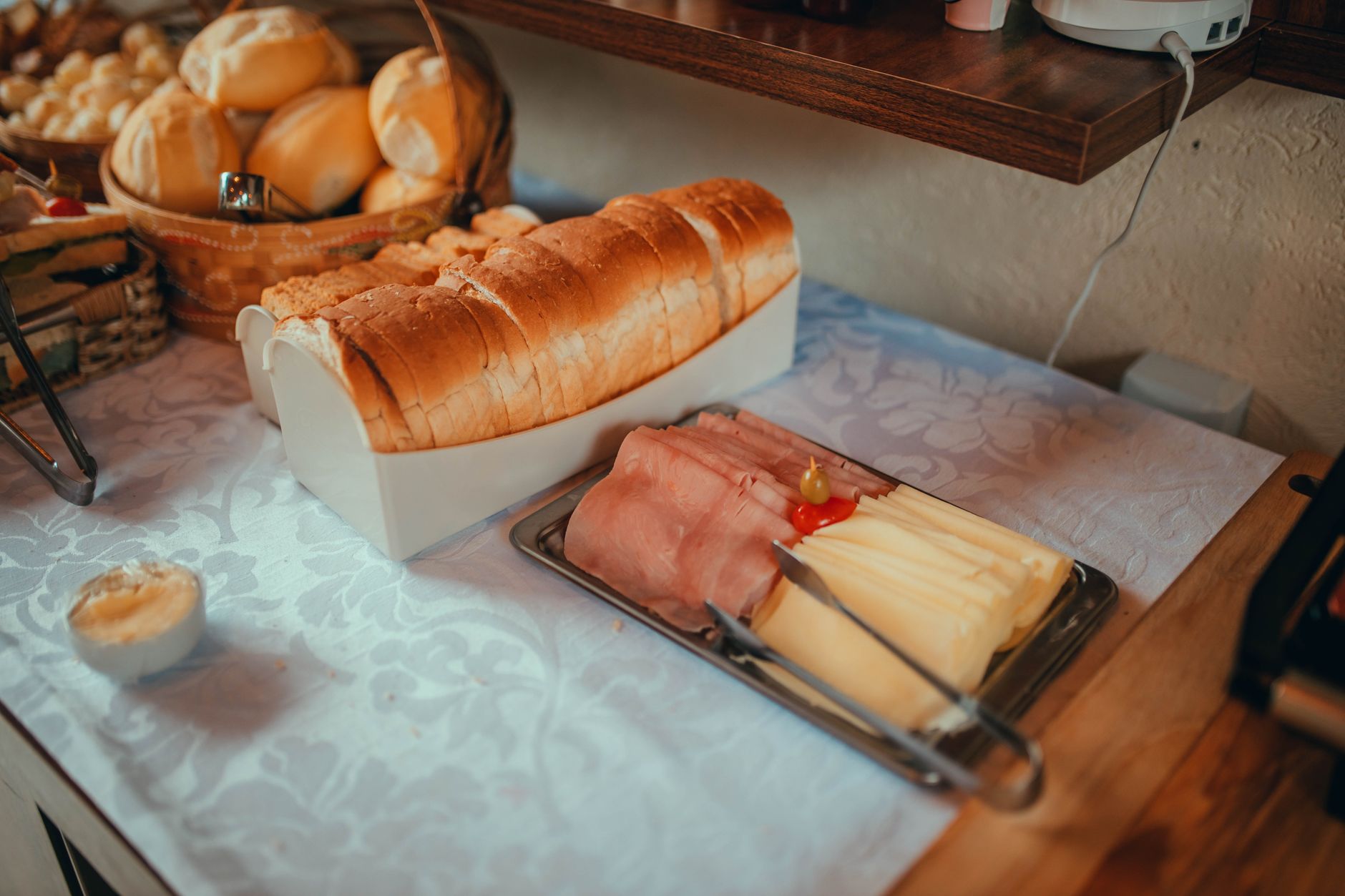
Most mystery guest programmes focus on check-in, room cleanliness and reception, as covered in our guide on the 7 key elements a mystery guest evaluates at a hotel. But guests don't experience the hotel only at the front door: they pass through breakfast every morning and, in a growing share of stays, order room service at least once.
Hotel F&B is a hybrid service: it shares methodology with mystery diner audits for independent restaurants, but runs inside the context of a stay, with its own variables — buffet replenishment at peak hour, floor-to-kitchen coordination for room service, or room-charge billing accuracy. Auditing only check-in and leaving F&B out leaves the hotel blind to one of the most frequently cited friction points in online reviews.
A well-designed breakfast audit covers these areas, focused on what actually drives the guest's rating:
| Evaluation area | Key indicators | Typical weighting |
|---|---|---|
| Access and seating | Wait time at the entrance, table management, host courtesy | 10% |
| Variety and replenishment | Empty buffet trays, replenishment speed, product rotation | 20% |
| Food temperature | Hot above 63°C, cold below 5°C, visible HACCP compliance | 20% |
| Buffet presentation and cleanliness | Allergen labelling, tidiness, clean trays and tongs | 15% |
| Floor service | Clearing used plates, hot drink refills, attention to families | 20% |
| Closing and farewell | Punctual closing time, information on next day's hours | 15% |
The detail that most separates a 3-star breakfast from a 4-5 star one isn't product variety — it's replenishment speed during peak hour (usually between 8:30 and 9:30am): a buffet with visible gaps generates more complaints than one with a smaller menu that's always fully stocked.
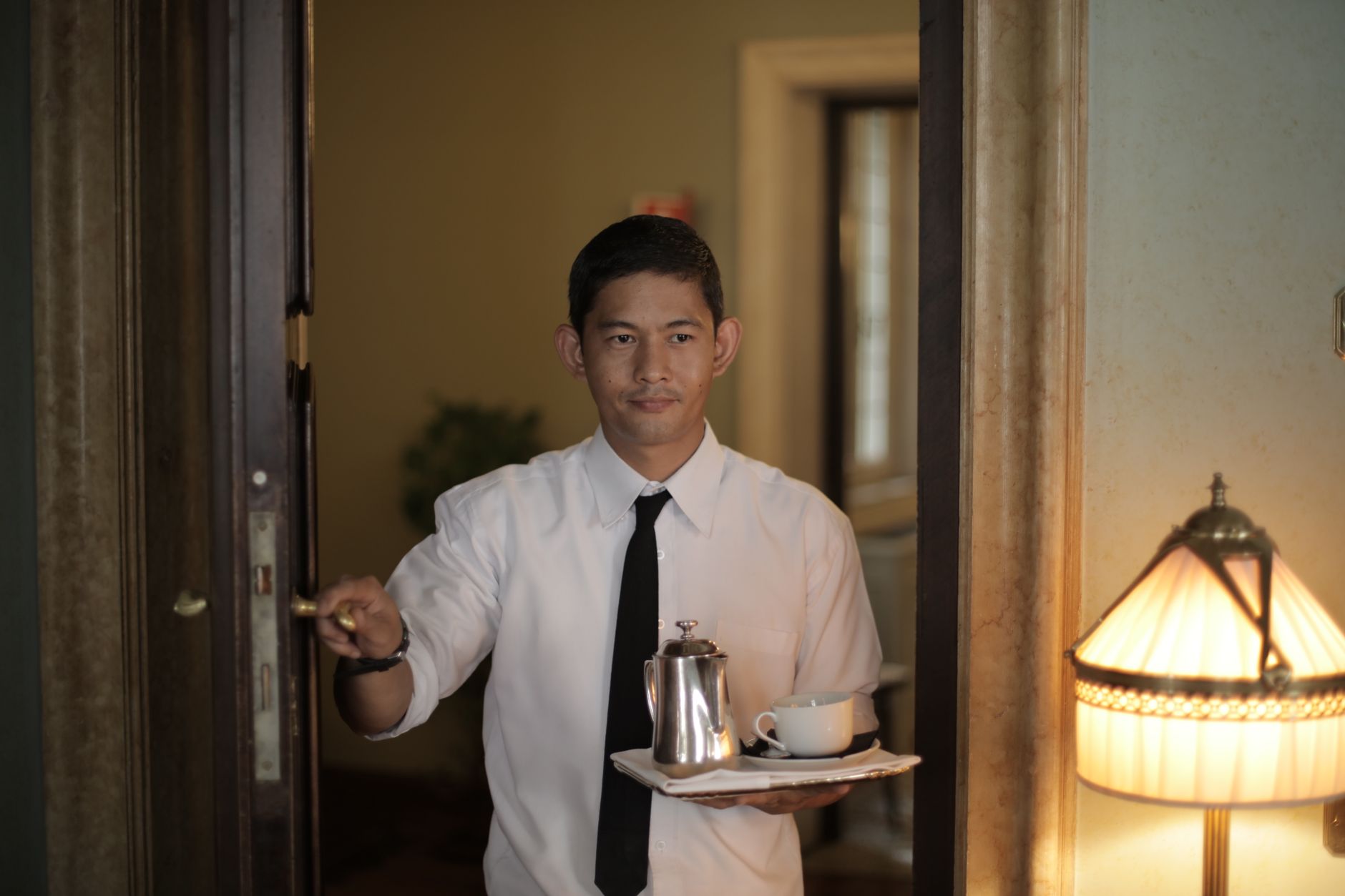
| Evaluation area | Key indicators | Typical weighting |
|---|---|---|
| Ordering | Ease of channel (phone, app, in-room menu), confirmation time | 15% |
| Delivery time | Promised vs. actual minutes, proactive delay notice | 25% |
| Temperature and presentation | Dish condition after transit, tray setup, full cutlery | 25% |
| Delivery protocol | Knocking before entering, explaining the dishes, in-room placement | 15% |
| Pickup and billing | Tray collected within a reasonable window, accurate room charge | 20% |
Delivery time is the most critical variable: a gap of more than 10 minutes over the promised time, without prior notice, is the failure most frequently quoted verbatim in negative booking-platform reviews.
| Format | Cost | Includes |
|---|---|---|
| Breakfast module added to a full-stay audit | $45 – $100 | One morning evaluation + dedicated section in the overall report |
| Room service module added to a full-stay audit | $55 – $110 | One evaluated order + cost of the dish |
| Standalone breakfast-only programme (4 visits/year) | $65 – $130/visit | Seasonal comparative report |
| Standalone room-service-only programme (4 visits/year) | $75 – $160/visit | Alternating day and night evaluations |
| Hotel chain contract (10+ properties) | from $40/module | Cross-property comparison dashboard and automated alerts |
Note: indicative 2026 market pricing. Excludes tax.
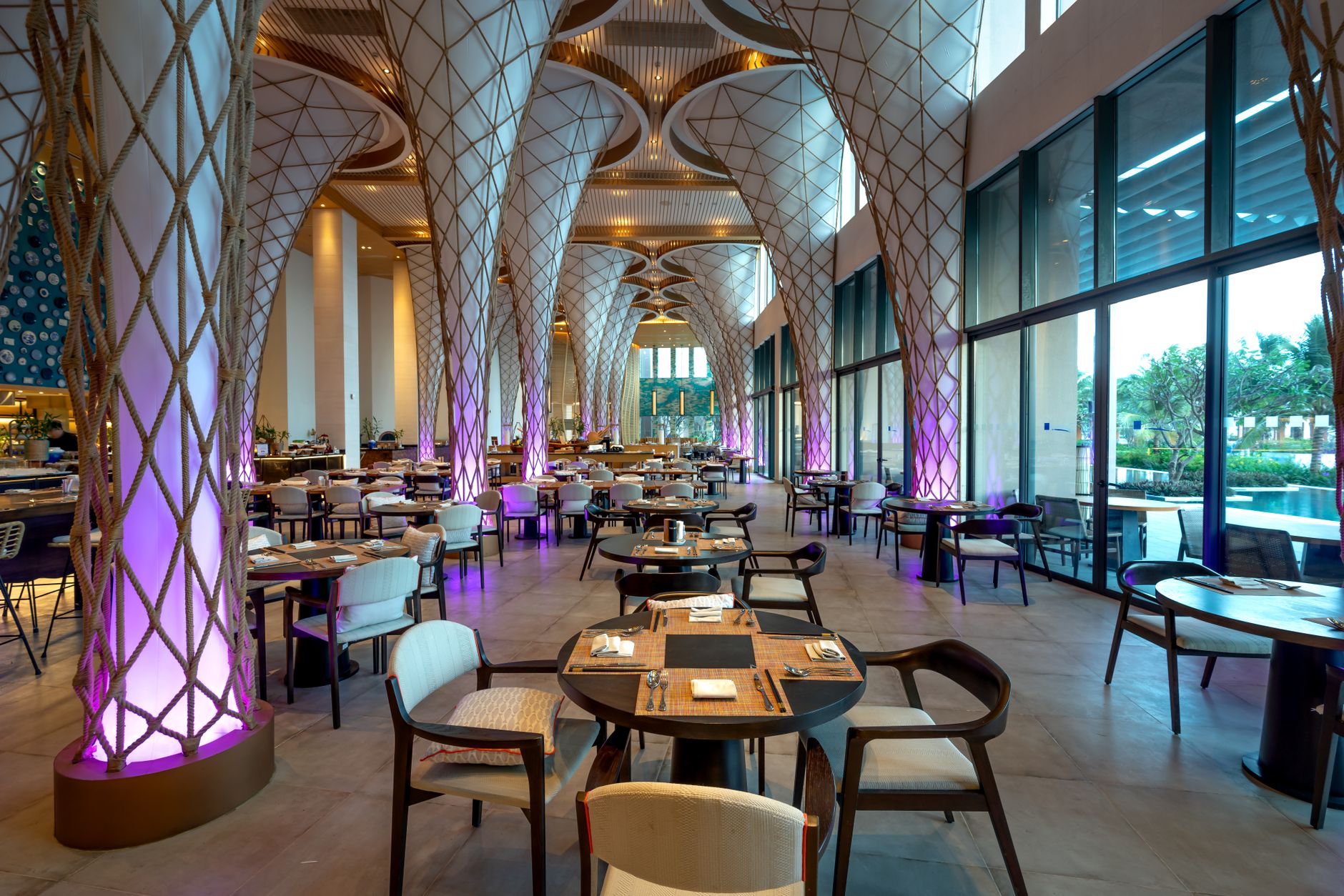
A street-side mystery diner scores a single service (lunch or dinner) at an independent restaurant. A hotel F&B mystery guest scores the whole food-and-beverage ecosystem inside a real stay: breakfast buffet, room service, pool or terrace bar and, in some cases, the hotel's own fine-dining restaurant — all within the same evaluator visit.
As an add-on module to a full-stay mystery guest audit, the incremental cost is $45-$100 per service evaluated (breakfast or room service). As a standalone programme focused only on F&B, a breakfast visit runs $65-$130 and a room service visit $75-$160, depending on dishes ordered and whether it includes a night-time evaluation.
A minimum of 4 visits per year (one per season) is recommended, since the buffet varies with occupancy, seasonal staff and supplier changes. Hotels with high morning-shift turnover may need bimonthly audits.
Room service adds variables the restaurant doesn't have: promised vs. actual delivery time, temperature after transit, tray presentation and pickup protocol. The hotel restaurant is audited like a street-side mystery diner, plus the resident-guest context (room billing, awareness of hotel services).
Yes — it's the most common setup. The same evaluator who does check-in and scores the room uses their stay for breakfast and room service, with everything in one report with separate scores per area, reducing cost versus hiring standalone audits.
Breakfast is, alongside cleanliness, one of the two factors most frequently mentioned in negative reviews of 3- and 4-star hotels. An F&B-focused mystery guest programme lets hotels fix buffet and room service failures before they cause a sustained drop in the online score.