
A mystery diner report is a starting point, not the destination. This practical guide explains how to turn audit findings into a concrete action plan, how to bring the team on board without pushback, and how to prove the improvements are actually happening.

The most common mistake after receiving a mystery diner report is reading it to figure out "who messed up." The right goal is different: spot the systemic gaps between the standard you defined and what customers actually experience. Systemic gaps are the ones that affect the whole operation — not one employee on one shift — and that hit guest experience hardest.
While reading the report, flag:
Not every finding deserves the same urgency or has the same payoff. Sort them into three buckets:
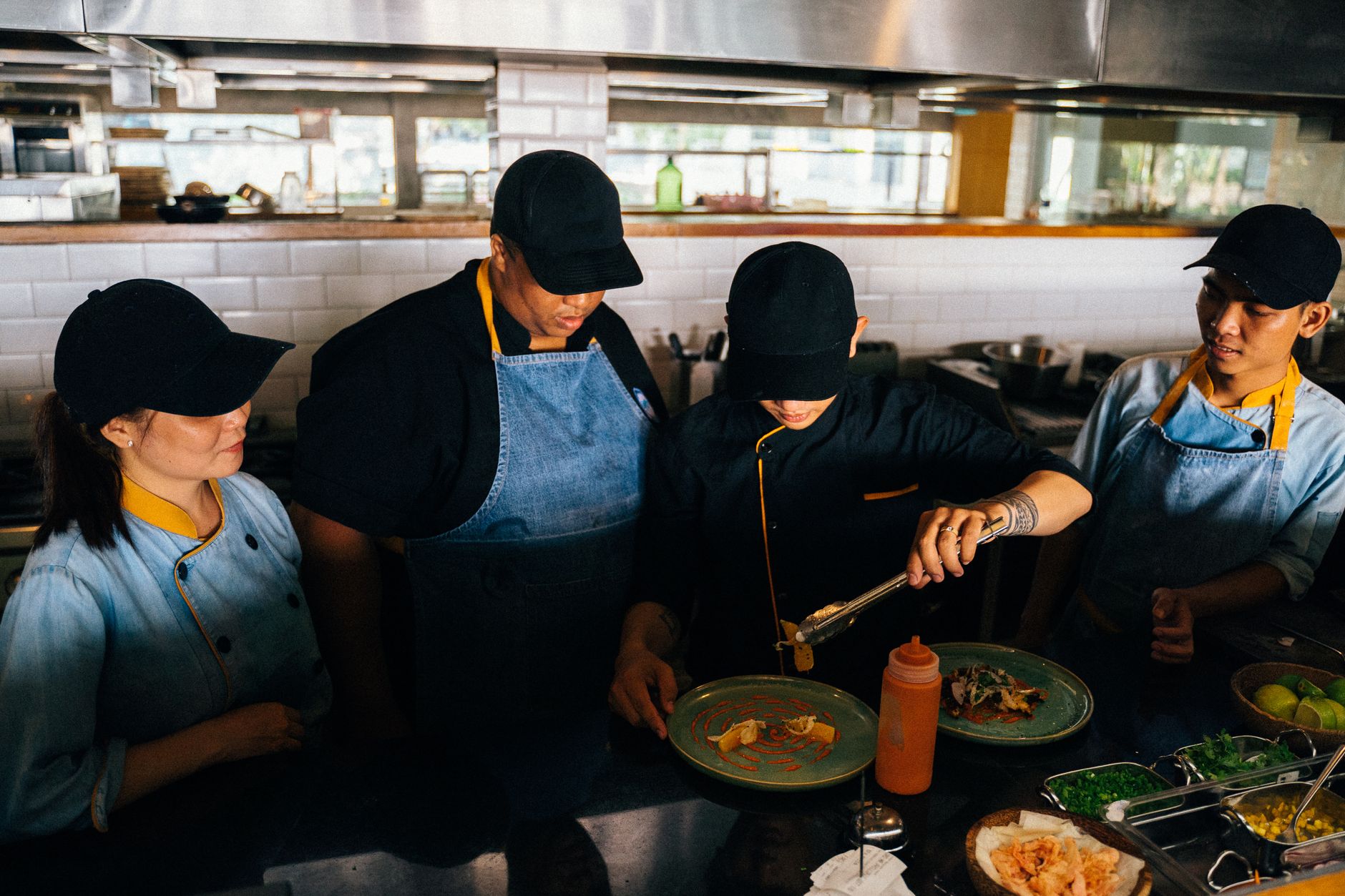
How the report is presented to the team largely decides whether the improvement plan actually sticks. A few practical rules:
The most effective training for improving customer service uses excerpts straight from the mystery diner report itself:
A focused 1-2 hour training session built around the actual report has more impact on staff behavior than a generic 30-page procedures manual.
A second mystery diner visit 4-6 weeks after rolling out the action plan is the only objective way to confirm the changes are being applied consistently. Comparing the scores from the first and second visits lets you:
An ongoing mystery diner programme (quarterly is the sweet spot) is the most effective way to keep standards up over time and catch new slippage before it shows up in online reviews.
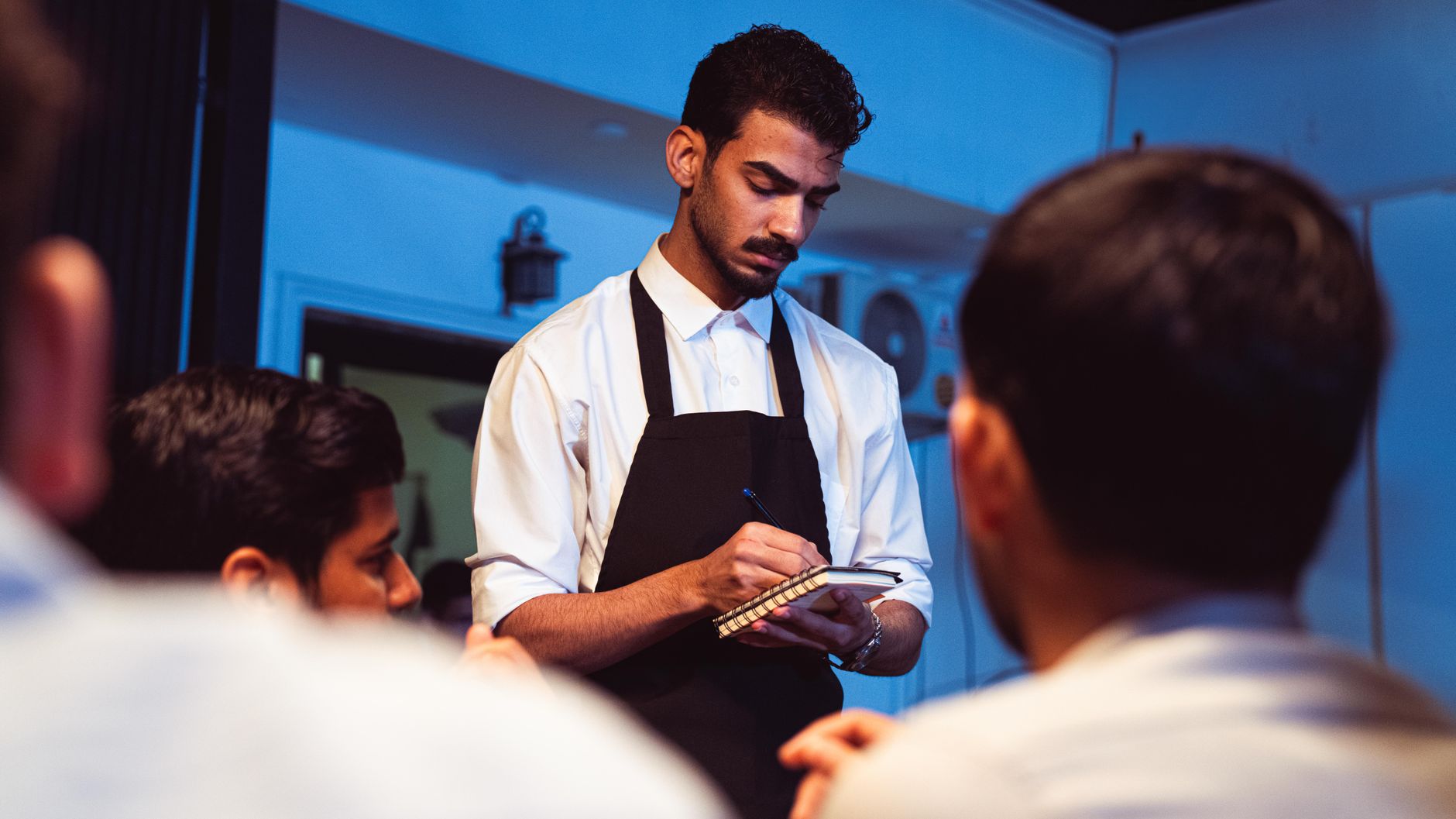
| Metric | How to measure it | Time to see change |
|---|---|---|
| Google rating | Compare the monthly average before vs. after | 6-10 weeks |
| Service mentions in reviews | Sentiment analysis (positive/negative) | 4-8 weeks |
| Post-visit NPS | Table QR survey or post-bill survey | 2-4 weeks |
| Repeat-booking rate | Repeat reservations / total reservations | 2-3 months |
| Mystery diner score, 2nd visit | Direct indicator-by-indicator comparison | 4-6 weeks after changes |
How soon after the audit should the improvement plan be ready?
Within 5-7 days of receiving the report, while findings are still fresh. Training should happen the same week, with a follow-up visit 4-6 weeks later.
Which fixes have the biggest impact for the least effort?
The greeting protocol (one session, immediate effect), complaint handling (2-3 weeks) and service timing (1-2 weeks). Changes needing new equipment or a menu redesign take longer.
How do you get the team on board without it feeling like criticism?
Present the report as information for improving together, share the positive findings too, and turn the results into collaborative training rather than one-way corrections.
Should staff be told a mystery shopping visit will happen?
Better to communicate it in general terms, without dates or profiles. This keeps service consistently high without an artificial spike in effort on known visits.
Which metrics show real improvement?
Google rating, post-visit NPS, review sentiment analysis and repeat-booking rate. A second mystery diner visit at 6-8 weeks confirms the protocols are being followed.