
The 8 factors that most influence satisfaction, recommendation and loyalty. With a definition of the term "diner", 2026 HORECA data and how to measure them objectively.

Diner (noun): a person who eats in the company of others at the same table. From Latin commensalis (com- = together; mensa = table). In the hospitality industry, diners refers to the group of guests who occupy a table or visit the establishment on the same occasion to eat.
In the HORECA sector, the term carries a precise meaning: it implies physical presence at the venue, food consumption, and typically the company of others. It differs from the generic word "customer" in that a diner always eats on the premises (not takeaway) and the meal is shared. When we talk about the diner experience, we mean the entire journey from the booking to the moment they leave. A common synonym in the trade is "regular diner" (loyal customer) versus "first-time diner". Diner loyalty is one of the main objectives in any restaurant improvement programme.
When a diner decides whether to return to a restaurant or recommend it, they rarely base that decision on a single factor. The complete experience—from the booking to the payment—shapes their overall perception and, ultimately, their loyalty. Understanding which factors carry most weight, and how to measure them objectively, is the foundation of any improvement programme in the restaurant sector.
Food quality is invariably the first evaluation criterion for diners. It covers ingredient freshness, correct serving temperatures (hot dishes must arrive above 65 °C), presentation, and consistency between the menu description and the plate actually served. A well-executed dish that does not match its description creates disproportionate disappointment even if the food itself is good. Restaurants that consistently score highly work to standardised recipe cards per dish and run regular temperature checks.
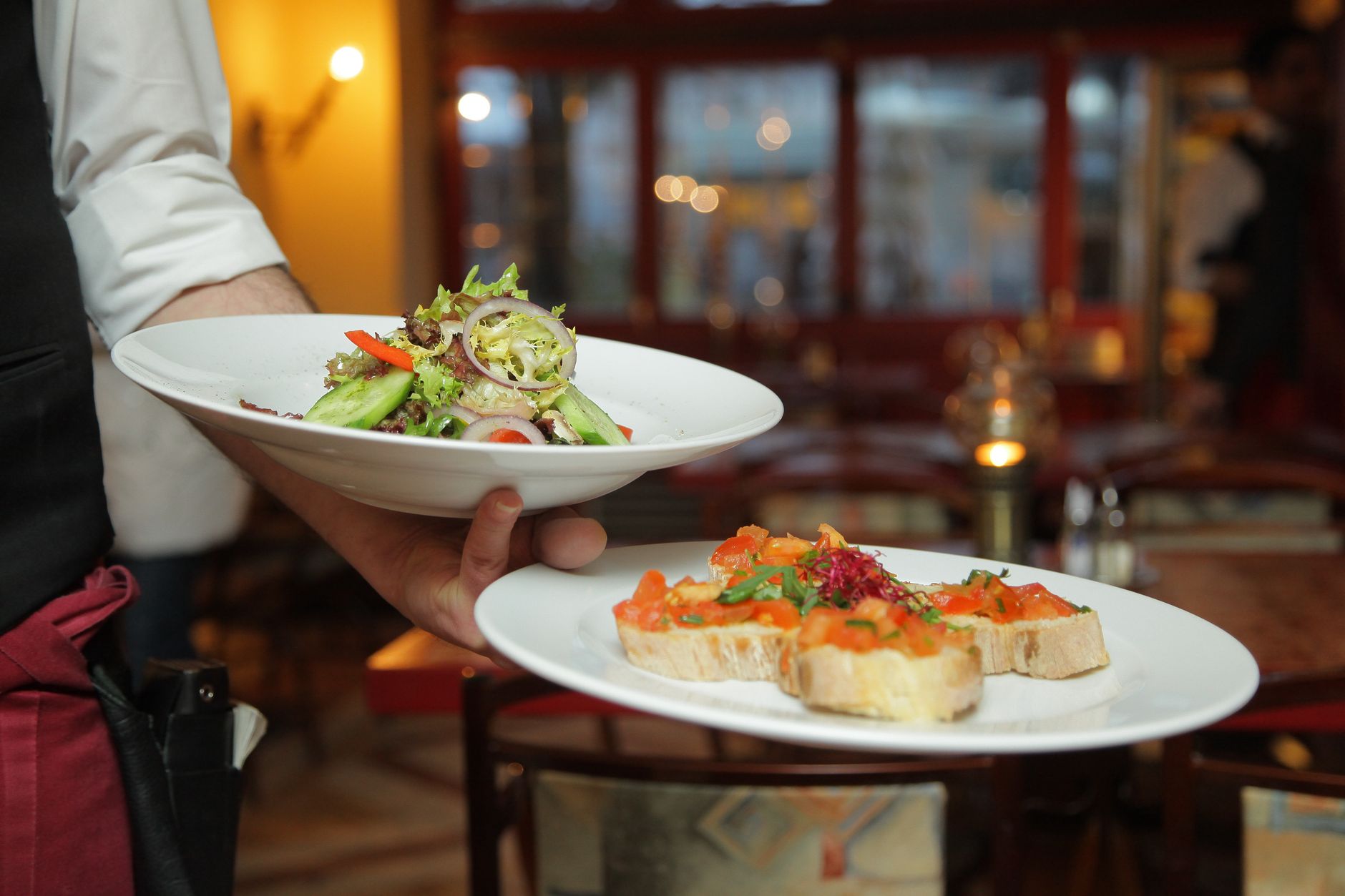
The front-of-house team is the human touchpoint of the experience and the second most valued factor. Diners measure: a proactive greeting, genuine knowledge of the menu and the ability to make informed recommendations, allergen management without reaching for a phone, and incident resolution without creating tension. A server who recognises a regular guest or remembers a dietary preference transforms an ordinary visit into a memorable experience. Mystery diner audits evaluate all of these points objectively.
Waiting time is not perceived linearly. Waiting 10 minutes without information generates more dissatisfaction than waiting 20 minutes after a server says "your first course will be with you in about 15 minutes". Industry benchmarks are: under 5 minutes for someone to acknowledge the table, under 5 minutes to take the order, under 20 minutes for the first course on an à la carte service. The time taken to present the bill is the final critical point: a long wait at the end of the meal creates a negative last impression that overshadows an otherwise positive experience.
Cleanliness acts as a disqualification filter: if there is visible dirt (sticky tables, soiled napkins, poor toilet condition), diners penalise the rest of the experience regardless of food quality. Toilets are the most critical point because they are the strongest indicator of the cleanliness guests cannot otherwise see. Restaurants that run a toilet check protocol every 30 minutes during service score significantly higher on overall satisfaction.
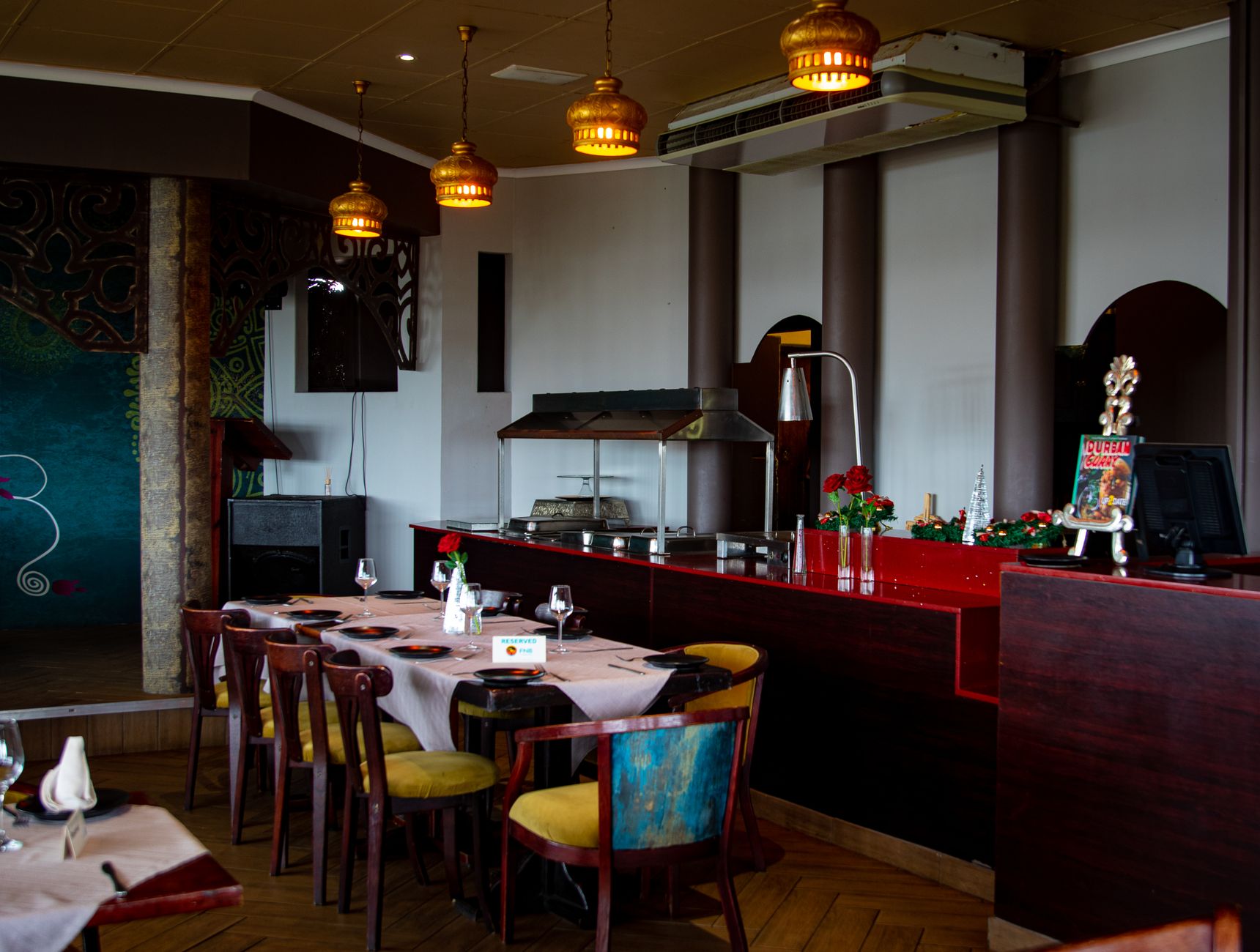
Atmosphere encompasses lighting, temperature, noise level, decor and seating comfort. It works as a multiplier: a pleasant environment reinforces the perceived quality of the food; an uncomfortable one penalises it even when the dish is excellent. Noise level is particularly critical: restaurants with high reverberation cause fatigue during long meals and make conversation difficult, which reduces dessert and coffee orders. Low-cost acoustic solutions (carpets, ceiling panels, cloth tablecloths) deliver a very high return on investment.
Price in itself does not determine satisfaction: value for money does. An expensive restaurant that meets the expectations set by its pricing will achieve the same satisfaction score as a budget restaurant that equally meets its own. The problem arises when price is misaligned with the actual experience: a mid-to-upper-price restaurant with poor service or low-quality ingredients generates active resentment that converts into negative reviews and customer loss.
Mistakes happen at every restaurant. What differentiates those that build loyalty is how they respond when something goes wrong. A wrong dish resolved quickly, discreetly and without a defensive attitude can turn a negative experience into a very positive one. An incident resolution protocol must include: swift acknowledgement of the error, a concrete solution and follow-up (never leave the diner waiting without information). Mystery diner audits typically include a simulated incident to evaluate precisely this capability.
The diner journey begins before they even arrive (search, booking, reviews) and ends after they leave (digital receipt, response to their review). Easy online booking, automatic confirmation and frictionless modification management shape expectations before the first visit. A detailed, accurate bill delivered promptly closes the cycle with a strong last impression.
| Factor | Casual restaurant | Premium restaurant | Fast food / fast casual |
|---|---|---|---|
| Food quality | ★★★★★ | ★★★★★ | ★★★★☆ |
| Service | ★★★★☆ | ★★★★★ | ★★★☆☆ |
| Waiting time | ★★★★☆ | ★★★☆☆ | ★★★★★ |
| Cleanliness | ★★★★★ | ★★★★★ | ★★★★★ |
| Atmosphere | ★★★☆☆ | ★★★★★ | ★★★☆☆ |
| Value for money | ★★★★★ | ★★★★☆ | ★★★★★ |
| Complaint handling | ★★★★☆ | ★★★★★ | ★★★☆☆ |
| Digital experience | ★★★☆☆ | ★★★★☆ | ★★★★☆ |
Relative importance of each factor by segment. ★★★★★ = critical factor; ☆ = secondary.
The tools available to measure and improve the restaurant experience are:
For a specific guide on professional mystery diner audits, see: How a mystery diner transforms the restaurant experience or explore the complete mystery shopping guide.
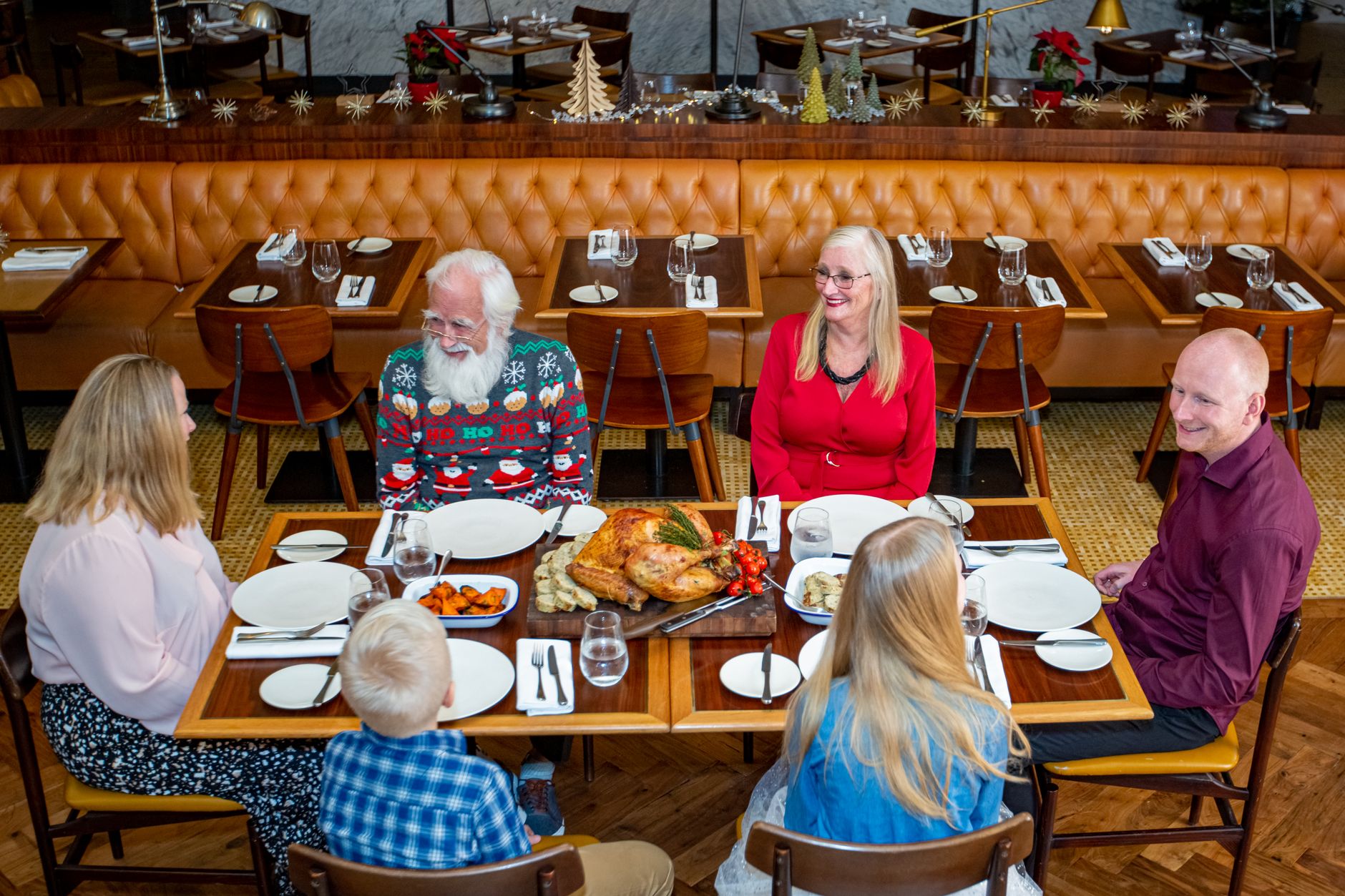
Diner loyalty is the most economically efficient objective in the restaurant sector: acquiring a new customer costs 5 to 7 times more than retaining an existing one. The loyalty journey follows three stages:
Mystery diner audits are especially useful for identifying at which stage of the funnel the diner is lost and which specific adjustment can recover them.

The diner experience in 2026 is shaped by three trends that leading restaurants are already integrating into their audit and improvement processes:
To see how a mystery diner evaluates these trends in practice, explore our guide on 10 evaluation areas in a mystery shopping audit.
At InsidePro360 we design mystery diner audits tailored to your type of establishment. Full report within 72 hours with scores by area and prioritised recommendations.
Request an audit →