
Sustainability has gone from a marketing talking point to a real decision factor in the customer experience. This guide analyses how sustainable practices impact consumer perception, which sectors lead the change, and how to measure the consistency between promise and reality with a mystery shopper.
68% of European consumers say sustainability influences their purchase decisions, according to the Global Sustainability Study 2025 by Simon-Kucher & Partners. However, only 26% are willing to pay a premium above 10% for sustainable products or services. This means sustainability mainly operates as a tiebreaker between alternatives at equivalent prices and as an abandonment barrier when a brand's practices erode trust.
The most relevant data points for businesses:
Sustainability affects the customer experience across four main dimensions:
| Sector | Key sustainability factor | Impact on CX |
|---|---|---|
| Hospitality and food service | Packaging, food waste, local and seasonal produce | Very high |
| Fashion and textiles | Eco-friendly materials, local production, durability | High |
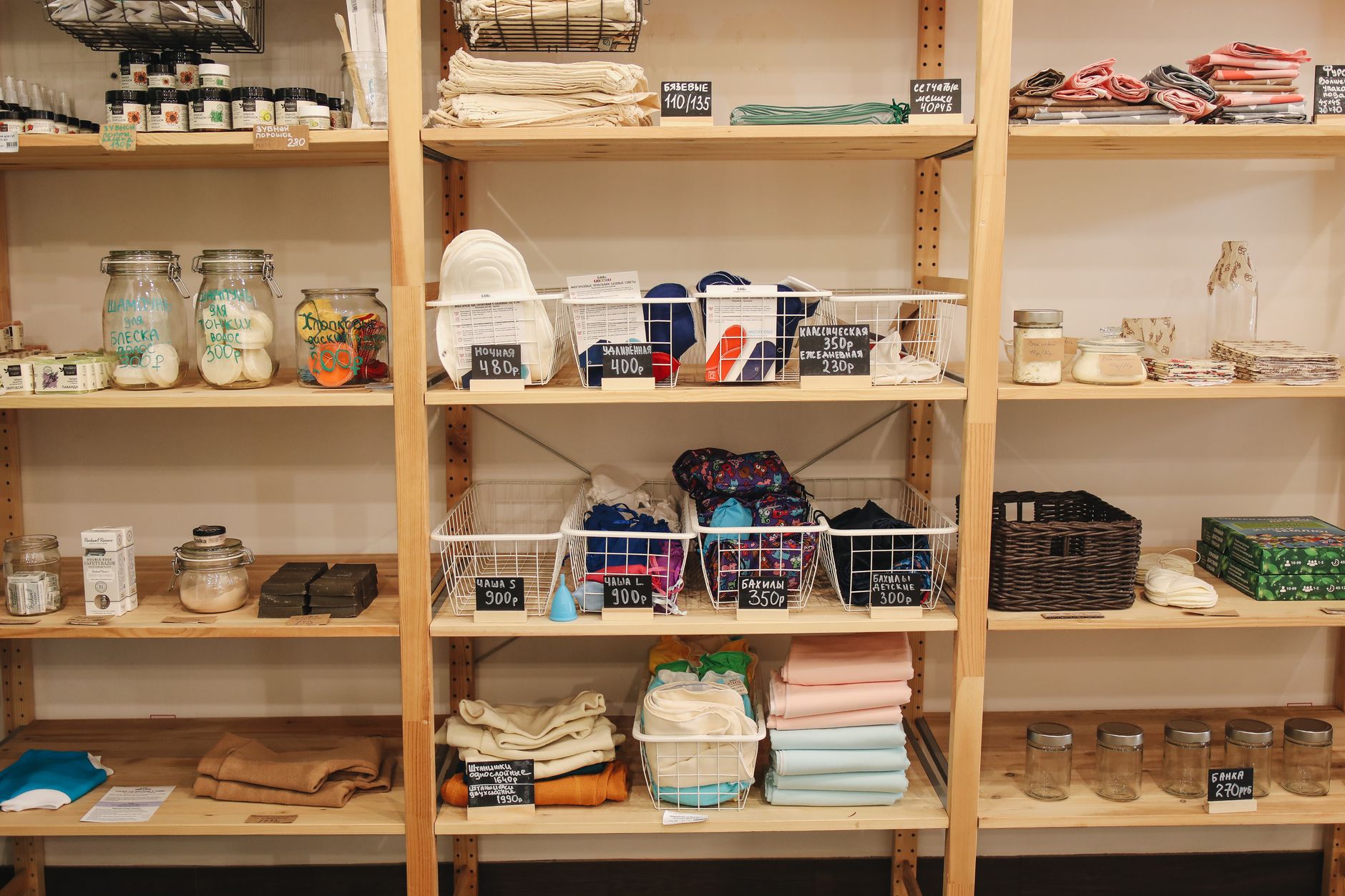
| Mass retail | Plastic reduction, transparent labelling, bulk products | High |
| Tourism and hotels | Green certifications, water management, carbon offsetting | High |
| Cosmetics and personal care | Natural ingredients, recyclable packaging, cruelty-free | Medium-high |
| Automotive | Electric vehicle offering, energy transition | Medium |
A mystery shopper is the most effective tool for verifying the consistency between a brand's sustainability promise and the real customer experience. The indicators evaluated in a sustainability audit are:

Greenwashing —communicating environmental commitments that aren't actually delivered— is the biggest reputational risk for brands that adopt a sustainability narrative without implementing it consistently. 73% of consumers distrust sustainability claims that aren't verified by a third party.
A mystery shopper detects greenwashing by checking the gap between the brand's communication and the real experience: a hotel that calls itself “eco-friendly” but serves its buffet in single-use packaging, or a sustainable fashion store that hands out plastic bags at checkout, creates distrust that translates directly into a lower NPS and lower recommendation likelihood.
Yes, and it's one of the most valued uses of mystery shopping in recent years. The assessor verifies whether the practices stated in the brand's communication (eco-friendly products, plastic reduction, sustainable packaging, seasonal menus) are actually delivered at the point of sale or in the service. The gap between promise and reality is exactly what erodes consumer trust.
Hospitality and food service (packaging, food waste, local produce), fashion (fast fashion vs. sustainable collections), mass retail (bags, bulk products, labelling) and tourism (hotels with green certifications, carbon footprint offsetting) are the sectors under the most consumer pressure on sustainability.
2025 data from Nielsen and Euromonitor shows that 44% of European consumers under 45 have stopped buying from a brand for sustainability reasons in the last 12 months. However, price remains the decisive factor in most categories: sustainability acts as a tiebreaker when price and quality are equivalent.
The questionnaire includes specific indicators: does staff voluntarily mention the business's sustainable practices? Is the packaging used consistent with the brand's communication? Do featured products at the point of sale carry visible certifications? Are sustainable alternatives offered before the customer asks? Each indicator is scored and compared against the sector benchmark.
Companies with verifiable (not just declarative) sustainability programmes achieve an NPS 8 to 15 points above their sector average, according to Bain & Company studies. The key is consistency: a hotel that claims to be eco-friendly but serves its buffet in single-use packaging produces the opposite effect, known as greenwashing.
Greenwashing is the practice of communicating environmental commitments that aren't actually delivered. A mystery shopper detects it by checking the consistency between communication (website, social media, packaging) and the real customer experience: materials used, staff practices, availability of certified eco-friendly products and visible waste management at the location.