
Mystery shopping isn't limited to restaurants or retail. Banking, insurance, healthcare centers, telecom, real estate and gyms are sectors with strong demand for customer-experience audits. This guide explains what gets evaluated in each and how the process works.
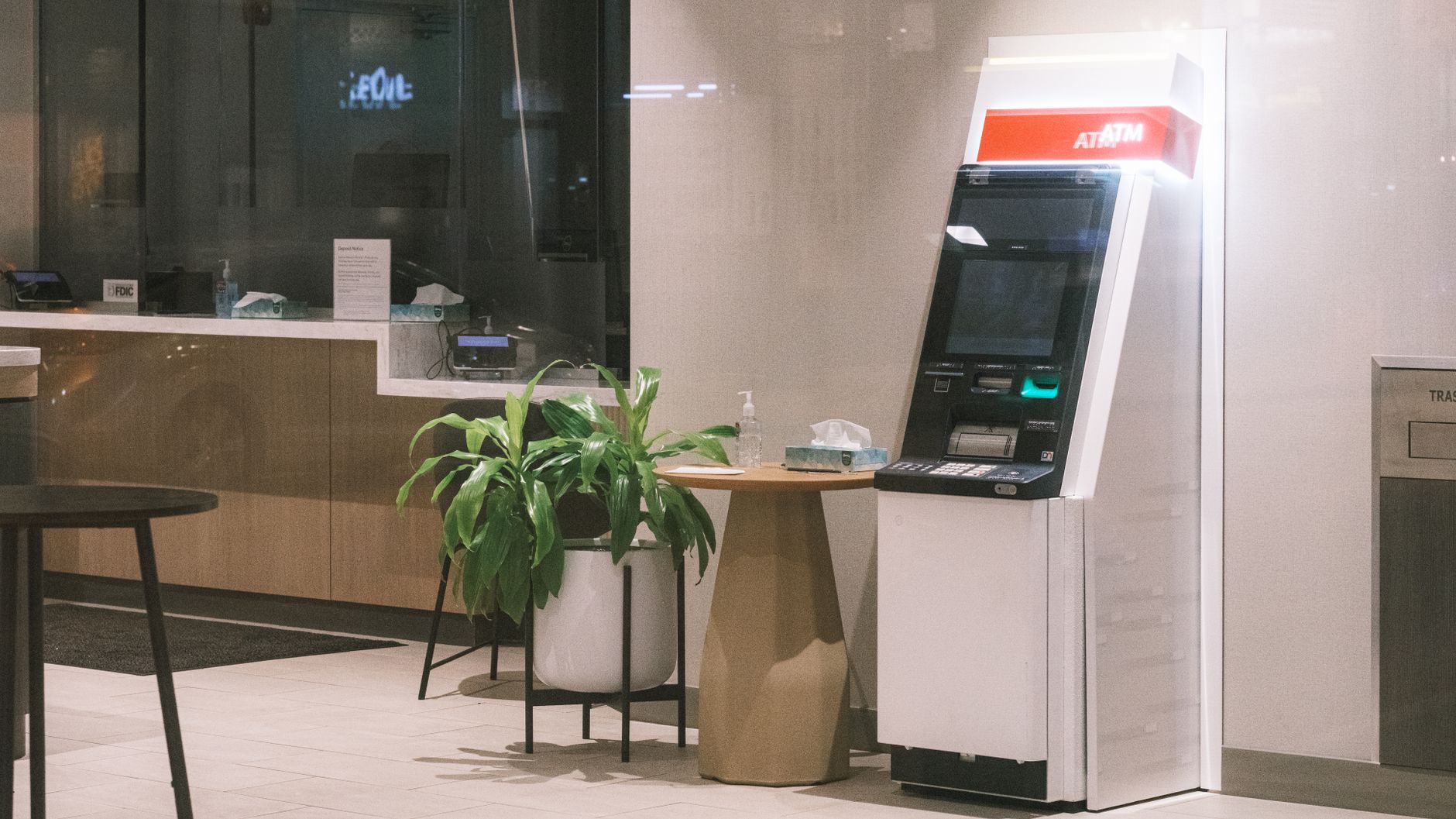
Banking is one of the sectors with the longest track record in mystery shopping. Banks use mystery shopper to check regulatory compliance when offering financial products, the quality of teller advice, and consistency between the digital offer and in-branch service. Insurers use it to evaluate their agent network and the quality of the claims-handling process.
Key banking indicators include: wait time, quality of the financial needs assessment, clarity when explaining fees, whether the products offered match the customer's profile, and compliance with the regulatory duty-to-inform protocol.
Dental clinics, opticians, physiotherapy centers and private medical practices use mystery shopper to measure the non-clinical side of the patient experience: front-desk service, wait time, information on pricing and insurance coverage, signage quality and the billing process. Clinical aspects (diagnosis, treatment) fall outside the scope of mystery shopper. See the full guide: mystery shopper in private clinics →

Telecom carriers are heavy users of mystery shopping, both in physical stores and on digital and phone support channels. Evaluators act as prospective or existing customers to measure: wait time, product knowledge, honesty when comparing with competitors, clarity of contract terms and complaint handling.
Carriers with better mystery shopper scores show churn rates 15-25% lower than the sector average.
Real estate agencies and franchises use mystery shopper to standardize the buying or renting experience across their office networks. Evaluators act as prospective buyers or tenants and assess: advisory quality, how properties are presented, transparency on pricing and contract terms, and how quickly the agent follows up after a viewing.
Gym chains use mystery shopper to measure the quality of the sales tour (how the club and its rates are presented to a prospect), front-desk service, facility cleanliness and maintenance, and how floor staff treat members. It's common in chains with multiple locations to ensure a consistent experience across every club.

The sectors growing fastest in mystery shopping adoption in 2025-2026 are:
| Sector | Main objective | Channel evaluated | Typical frequency |
|---|---|---|---|
| Banking | Regulatory compliance and advisory quality | In-branch + phone | Quarterly |
| Insurance | Quality of the agent network | In-person + digital | Twice a year |
| Private healthcare | Non-clinical patient experience | In-person | Twice a year |
| Telecom | Product knowledge and complaint handling | Store + phone + chat | Monthly |
| Real estate | Advisory quality and follow-up | In-person | Quarterly |
| Gyms | Sales tour and member service | In-person | Quarterly |
| E-commerce | Purchase and post-sale experience | Digital + phone | Monthly |
Yes, it's one of the sectors with the longest track record in mystery shopping. Banks use it to check regulatory compliance when offering financial products, the quality of teller advice, and consistency between the digital offer and in-branch service. Insurers use it to evaluate their agent network and the claims-handling process.
To measure the quality of the sales tour (how the club and its rates are presented to a prospect), front-desk service, facility cleanliness and maintenance, and how floor staff treat members. It's common in chains with multiple locations to standardize the experience.
Yes, with questionnaires adapted to a healthcare setting. It evaluates front-desk service, wait time, information provided by admin staff, signage and accessibility, and the billing process. Clinical aspects (diagnosis, treatment) fall outside the scope of mystery shopper.
It's one of the sectors with the heaviest use. Evaluators visit carrier stores or call customer service to measure: wait time, the rep's product knowledge, honesty when comparing with competitors, clarity of contract terms and complaint handling. Carriers with better mystery shopper scores show churn rates 15-25% lower than average.
Yes. Evaluators act as prospective buyers or tenants to measure advisory quality, how properties are presented, transparency on price and terms, and how quickly the agent follows up after a viewing. It's common in franchises and networks with multiple offices to standardize the buying experience.
The sectors growing fastest in mystery shopping adoption are: e-commerce (online purchase flow, chat/email/phone support, return experience), urban mobility (carsharing, scooters, public transport apps), veterinary clinics, senior living facilities and private schools.