Mystery Shopper for Private Clinics: What It Evaluates and How It Works
Complete B2B guide to mystery shopping in private clinics and medical centres: the 8 evaluation areas, waiting times, pricing transparency, consultation quality, digital follow-up and 8 frequently asked questions about the private healthcare sector.
Updated 2026-07-18Private healthcare sectorWaiting times · Pricing8 FAQs
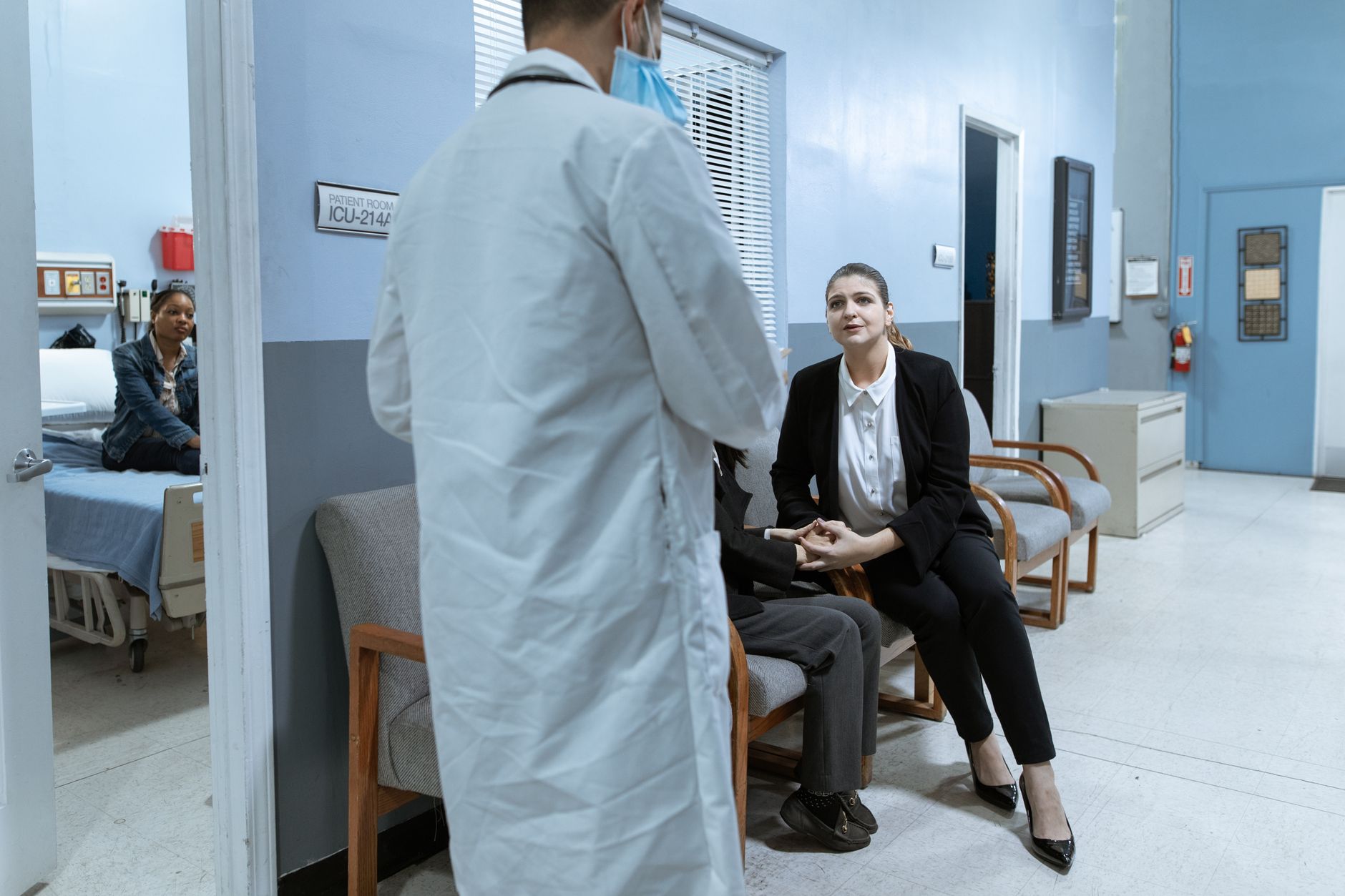
Private clinic mystery shopping: concept and approach
Private clinic mystery shopping (also called mystery patient or patient experience audit) is an evaluation methodology in which a trained assessor poses as a real patient — requests a first appointment, attends the consultation with a credible symptom script, and objectively records every touchpoint: the call to book, the reception welcome, the waiting time, the quality of the consultation, the clarity of the quote and the follow-up afterwards.
Unlike patient satisfaction surveys, which collect impressions days after the visit and only from those who choose to respond, mystery shopping captures observable facts in real time: whether reception took 4 or 14 minutes to answer a call, whether the specialist presented treatment options with their costs before asking for the patient's decision, or whether the results portal was accessible without needing to call for support.
In 2026, private healthcare providers compete for patients who compare options online before choosing a clinic, value response speed as much as clinical competence, and abandon a provider if the administrative experience — booking, waiting, billing — doesn't match the expectations set by the digital environment. Mystery shopping gives clinic networks the objective data they need to act on these service gaps before they turn into one-star reviews or lost insurance patients.
The 8 evaluation areas in a private clinic

1. Enquiry and appointment booking
The process starts before the physical visit. The assessor requests a first appointment by phone, web form or app, measuring the response time from request to confirmation, the friendliness and competence of the agent (do they know which specialist to route the described symptoms to?), slot availability and the clarity of the pricing and documentation information provided.
2. Reception welcome and waiting room
Reception creates the first physical impression of the clinic. The mystery shop measures the waiting time until served at the desk (benchmark: under 3 minutes), whether staff greet actively or wait for the patient to speak first, whether the appointment is confirmed with the doctor's name and room number, and the cleanliness and comfort of the waiting room — temperature, seating, signage, availability of water.
3. Real waiting time before the consultation
This is the most critical indicator for the private patient, who consciously compares it with the public healthcare experience. The assessor records the exact arrival time and the actual time of entry into consultation. Proactive delay communication and whether any compensation is offered — discount, free follow-up appointment — when the wait exceeds the agreed threshold are also measured.
4. Quality of the consultation with the specialist
The heart of the audit at a private clinic is the consultation itself. Mystery shopping evaluates whether the specialist dedicates enough time to the patient, listens actively before speaking, explains the diagnosis and treatment options in understandable language without excessive jargon, answers the patient's questions without interrupting or rushing, and spontaneously informs about the estimated cost of recommended tests or treatments before the patient has to ask.
5. Pricing and quote information
Economic transparency is one of the areas where performance varies most between specialists and clinics. The assessor measures whether reception informs the patient of the consultation fee when confirming the appointment, whether the specialist presents a detailed quote (including different options and their costs), whether it's delivered in writing without the patient having to explicitly request it, and whether the final invoice matches the quote. Billing surprises are the leading cause of formal complaints in private healthcare.
6. Payment process and billing
Mystery shopping evaluates the clarity and speed of the payment process: whether a detailed invoice is issued automatically, whether available payment methods are communicated in advance, whether the insurance claim process is well explained, and whether checkout time doesn't unnecessarily prolong the visit.
7. Post-consultation follow-up
A quality clinic doesn't close the relationship when the patient leaves the consultation room. Mystery shopping measures whether the clinic proactively contacts the patient to confirm they were able to follow instructions, whether it reminds patients of follow-up appointments or pending test results, and whether the digital channel (app, email, WhatsApp) makes clinical documentation and results accessible without needing to call.
8. Digital channel: patient portal and online response
The assessor tests the clinic's website or app to book an appointment, check results and send an enquiry via form or chat. Usability, response time to non-urgent enquiries (benchmark: under 4 hours during business hours) and whether access to results works without technical issues are measured.
Waiting time as a critical KPI in private clinics
In private healthcare, reduced waiting time is the main competitive argument versus the public system. Paradoxically, it's also the indicator where the gap between the commercial promise and the actual experience is most frequent. Mystery shopping quantifies this gap precisely:
- Waiting time to be answered by phone: under 2 minutes at reference clinics. Beyond 5 minutes, call abandonment rates escalate significantly.
- Time from appointment request to first availability: for high-demand specialties (dermatology, gynaecology, orthopaedics), exceeding 5–7 working days impacts conversion towards competitors.
- Waiting-room delay before consultation: the private patient's satisfaction threshold is 15 minutes over the scheduled time. Past 20 minutes without proactive staff communication, perception deteriorates significantly even if the specialist is excellent.
- Delay in delivering results: basic lab tests with a verbal result during the same visit, or digital access within 24–48 hours, is the expected standard.
By measuring these times systematically and covertly — not when the team knows it's being evaluated — mystery shopping reveals the operational reality that appointment-based internal KPIs don't capture: cumulative afternoon delays, the difference between morning and afternoon shifts, and the impact of the most in-demand specialist's schedule on overall clinic perception.
Pricing transparency and quotes: the most sensitive point

If waiting time is the most visible indicator for the patient, economic transparency is the one that generates the most formal complaints and negative reviews when it fails. Mystery shopping precisely documents how each specialist and each clinic manages this moment:
- Pricing information at booking: is the price of the first consultation communicated when confirming the appointment, or does the patient discover the amount only at checkout? The quality standard is proactive disclosure.
- Quote before treatment: in specialties such as dentistry, ophthalmology (cataracts, myopia), aesthetic dermatology or orthopaedics (scheduled surgery), the specialist must present a detailed quote — options, partial and total costs — before the patient makes any decision. Mystery shopping measures whether this happens spontaneously or only when directly asked.
- Written quote: is a signed document delivered with the breakdown, or is it only communicated verbally? A written quote protects both the patient and the clinic in the event of a claim.
- Quote-to-invoice match: the assessor requests the quoted treatment and verifies that the final invoice matches the agreed amount, with no undisclosed additional charges.
- Managing insured patients: clarity on what insurance covers, what is billed to the patient, and the reimbursement or co-payment process.
Clinics that integrate mystery shopping into their continuous improvement cycle significantly reduce complaints about billing surprises — the number-one cause of patient loss and negative Google reviews — and improve treatment quote conversion by conveying more trust in the sales process.
Digital mystery shopping: patient portal, online booking and digital channel response
The private clinic patient's experience often begins and ends on the phone. Mystery shopping covers the digital channel with the same rigour as the in-person visit:
- Web and appointment form: the assessor requests a first appointment via the web form or chat and measures the response time (benchmark: under 4 hours during business hours), the quality of the response — does a person reply, or a generic bot? — and whether the information needed to prepare for the visit is provided.
- App or patient portal: access to scheduled appointments, test results, visit history and reports. Usability, load speed and whether results are available within the promised timeframe without needing to call are evaluated.
- Response via WhatsApp or email: time and quality of response to a non-urgent enquiry about pricing or availability. Clinics with digital response times over 24 hours lose patients to competitors with better multichannel service.
- Video consultation: for clinics offering telemedicine, mystery shopping evaluates ease of access to the platform, the technical quality of the connection and whether the specialist maintains the same standard of care as in-person.
How a private clinic mystery shopping audit works step by step
- Briefing and scope definition: the clinic defines which specialties to audit, whether to include the digital channel, the simulated patient profile (age, symptom type, insured or not) and the priority evaluation points.
- Assessor preparation: the auditor receives a credible symptom script for the chosen specialty, the real-time note-taking protocol and instructions on what to observe at each touchpoint.
- Appointment request: the assessor contacts the clinic through the defined channel (phone, web, app) and documents the acquisition experience before visiting the centre.
- In-person visit: the assessor acts as a real patient, arrives at the scheduled time, records timings precisely and documents every interaction from arrival at reception to leaving after payment.
- Post-visit follow-up: if the script includes requesting results online or waiting for the clinic to make contact, the assessor documents whether this follow-up happens and its quality.
- Structured report: within 72 hours, a report is delivered with scores by area, evidence from key conversations and comparison with sector benchmarks.
- Debrief session and action plan: findings presented to medical and administrative management, and design of process improvement, training or communication actions.
Table: key indicators and private healthcare sector benchmarks
| Area | Indicator | Reference benchmark (2026) |
|---|
| Booking (phone) | Time to be answered | < 2 min |
| Booking (web/app) | Response time to online request | < 4 h during business hours |
| Booking | Consultation price disclosed at booking | Proactive in 100% of cases |
| Availability | First available appointment (mid-demand specialty) | < 5 working days |
| Reception | Waiting time at desk on arrival | < 3 min |
| Waiting room | Delay over scheduled time before consultation | < 15 min; proactive communication if > 10 min |
| Consultation | Minimum length of first consultation | > 15 min for medical specialties |
| Consultation | Diagnosis and options explained without jargon | 100% of visits |
| Pricing | Spontaneous quote before treatment | 100%, without the patient asking |
| Pricing | Quote delivered in writing | Always for treatments > €300 |
| Billing | Quote-to-invoice match | 100% |
| Results | Access to basic lab results | < 24-48 h, digital or verbal at the visit |
| Follow-up | Proactive post-consultation contact | For complex or chronic treatments |
| Digital | Incident-free access to the patient portal | 100% of accesses |
8 frequently asked questions about mystery shopping in private clinics
- What does a mystery shopper evaluate in a private clinic?
- It evaluates the complete patient experience: appointment request and response time, reception welcome, real waiting time before the consultation, quality of care from the specialist, pricing and quote information, payment process, post-consultation follow-up and the digital channel (patient portal, online booking, response via WhatsApp or email).
- Why do private clinics use mystery shopping?
- To measure with objective data the real patient experience at the moments of truth that satisfaction surveys don't capture, to control consistency in pricing and quote information, and to identify service gaps between specialties or centres before they turn into negative reviews or patient loss.
- How much does a private clinic mystery shop cost?
- Between €120 and €350 per visit, including payment of the medical consultation (reimbursed to the assessor), the report and follow-up. Networks with multiple centres negotiate prices of €80–€150 per visit.
- What is the difference between mystery shopping and a satisfaction survey?
- The survey collects perceptions from patients who decide to respond days after the visit. Mystery shopping captures objective facts in real time (exact waiting time, spontaneous pricing information, portal usability) and evaluates the process from the perspective of a new patient who hasn't yet had contact with the clinic — a profile no internal survey reaches.
- Is mystery shopping compatible with patient privacy?
- Yes. The assessor acts with a credible symptom script without providing real health data. The report describes the care process, not medical information. The provider signs a data processing agreement with the clinic in line with GDPR and patient rights regulation.
- Which medical specialties can be audited?
- Practically all of them: general medicine, orthopaedics, dermatology, gynaecology, ophthalmology, dentistry, psychology, nutrition, physiotherapy and urgent care. The most in-demand ones are those combining a high volume of first visits with treatment decisions involving a budget (dentistry, ophthalmology, aesthetic dermatology, orthopaedics).
- How often should mystery shopping be done in a private clinic?
- Between 2 and 4 audits per specialty or centre per year: at least one during the peak acquisition period (September–November, when preventive medicine and check-up consultations increase) and another in the first quarter. An extra audit is added if the clinic launches a new specialty, changes prices or adopts a new digital process.
- What report is delivered after a private clinic mystery shop?
- The report includes an overall score and scores by area (booking, reception and waiting, real waiting time, consultation, pricing, billing, follow-up and digital), evidence of the key points in the clinical and commercial interaction, comparison with the previous visit, specialty or centre rankings when auditing a network, and prioritised recommendations. Delivered in PDF within 72 hours of the visit.
Mystery shopping audit for your private clinic network
InsidePro360 designs mystery shopping programmes tailored to private healthcare: evaluation of waiting times, pricing transparency, consultation quality and patient follow-up, with reporting within 72 hours and a real-time dashboard for multi-site networks.
Request a quote →AS
Alberto Sanz Diaz
SEO professional and customer experience consultant with over 10 years auditing private healthcare, retail and hospitality services through mystery shopper audits.