
Complete guide: the 10 factors that decide whether a diner returns and recommends your restaurant. With a by-segment comparison table, real 2026 HORECA data, measurement methods and 12 frequently asked questions.
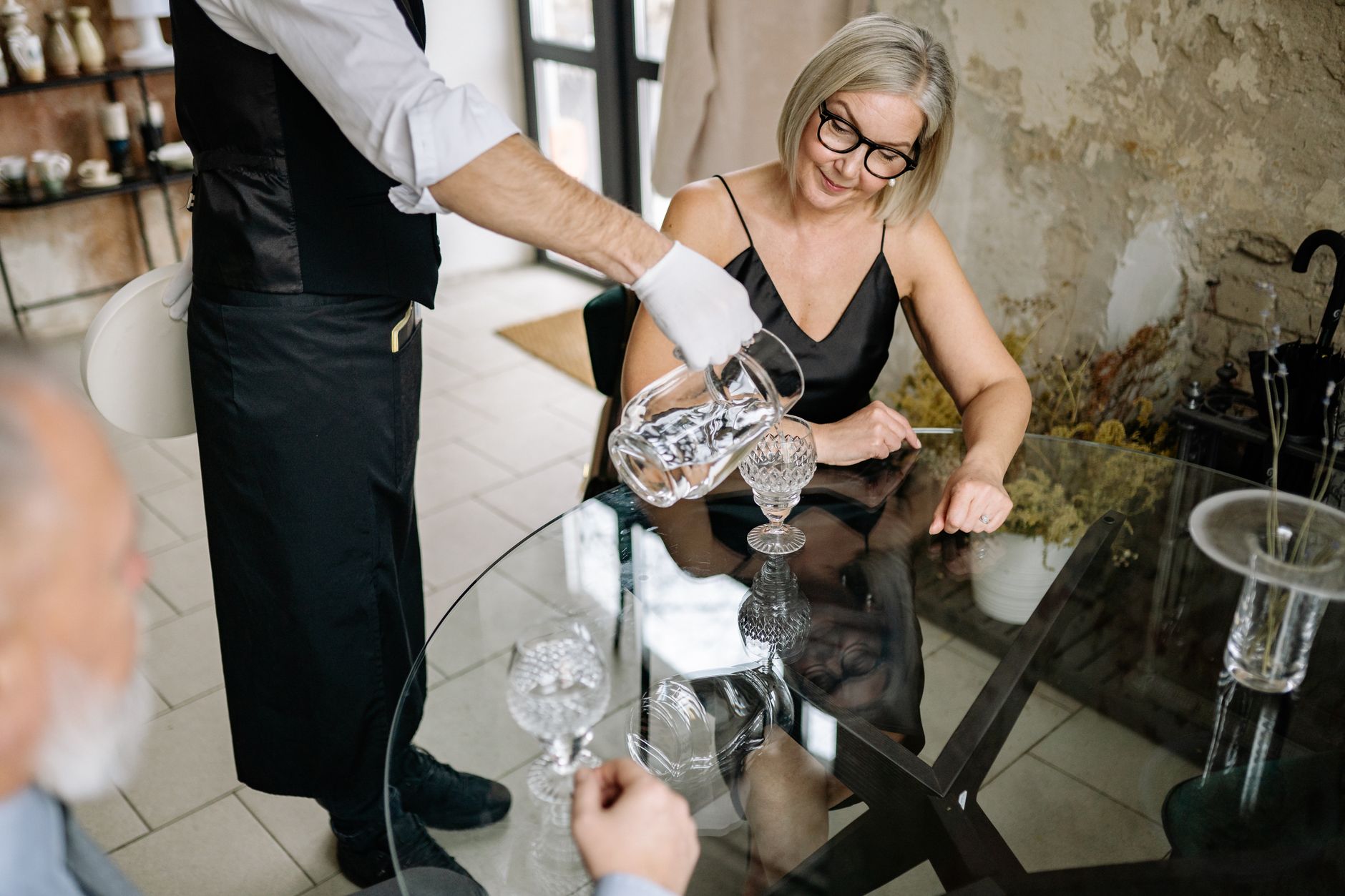
Understanding what diners want is the starting point for any restaurant improvement programme — and for any mystery diner audit design. Today's diner evaluates the full journey from the moment they search for the restaurant online to the moment they walk out the door. The food is the centrepiece, but the experience surrounding it — service, atmosphere, speed, hygiene and personalisation — determines whether they return and whether they tell others to go.
A diner (from the Latin commensalis: com- = together, mensa = table) is any person who eats in the company of others at the same table, specifically in a hospitality context. In restaurant operations, "diners" describes all the guests at a table or visiting the establishment on a given occasion. Understanding what this group values — and how those values differ by segment — is what separates restaurants that consistently fill covers from those that rely on walk-ins and discounts.
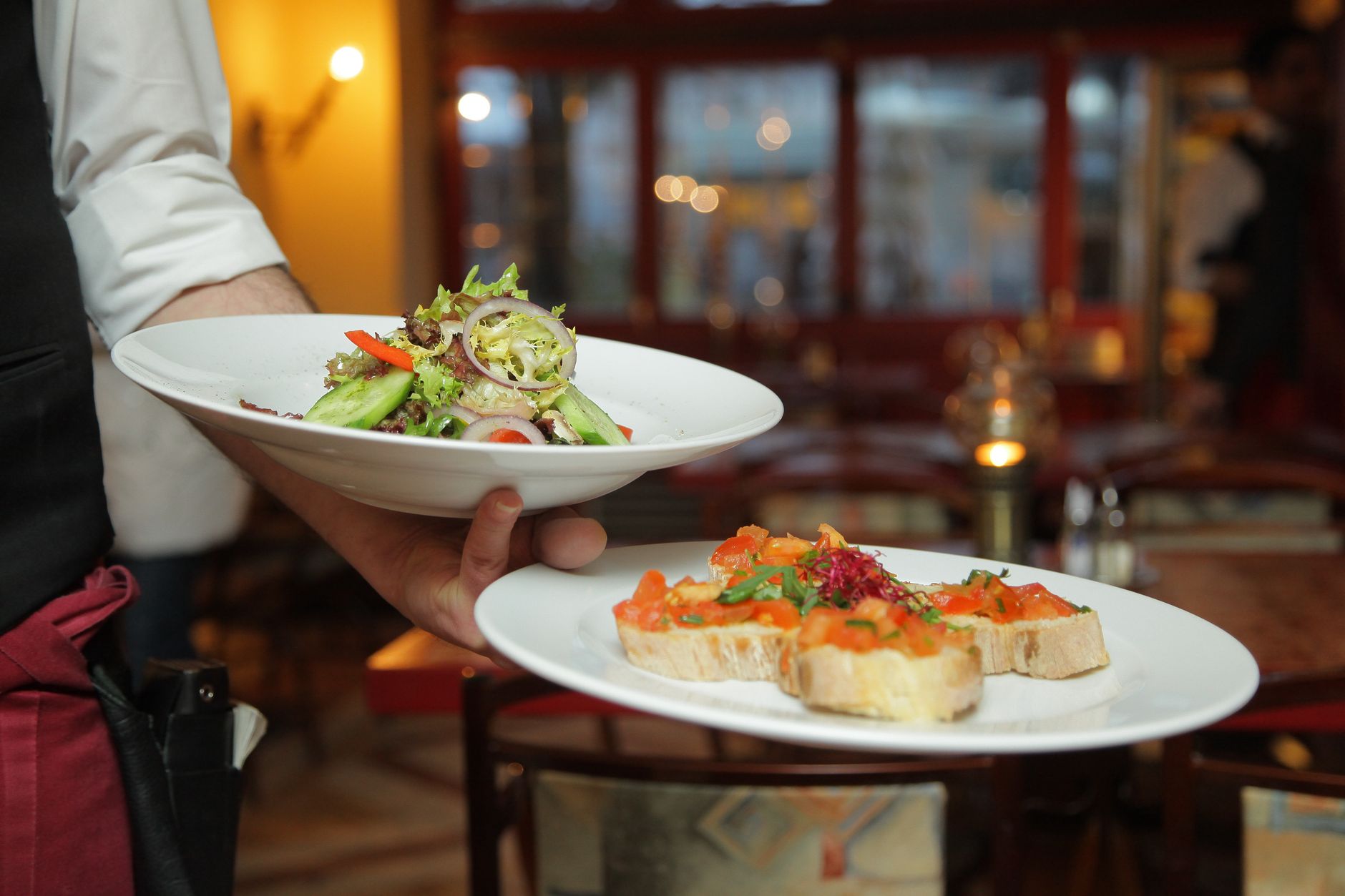
Always ranked first across all segments and demographics. But "quality" in 2026 means more than taste: diners now include freshness, ingredient sourcing, allergen accuracy and presentation in their quality assessment. A restaurant scoring high on taste but low on allergen communication will receive negative reviews from an increasing proportion of its guests.
The human element. Diners distinguish clearly between technical competence (order accuracy, timing) and genuine warmth (eye contact, remembering preferences, proactive attentiveness). Staff who only respond when called generate lower satisfaction than those who anticipate needs. This is the factor most influenced by training and culture — and most clearly revealed in a mystery diner audit.
Cleanliness acts as a disqualifier: any visible issue — sticky tables, poorly maintained restrooms, stained napkins — penalises the entire experience regardless of food quality. Restrooms are the most critical indicator because they are the best proxy for kitchen hygiene that a diner can access. A mystery diner always evaluates restroom condition as a priority checkpoint.
The wait to be seated, greeted, served the first course and receive the bill all contribute to the overall timing perception. In casual dining, exceeding 5 minutes to take an order generates documented discomfort. In fast casual, the threshold is lower. See our full guide on restaurant service time benchmarks for category-specific standards.
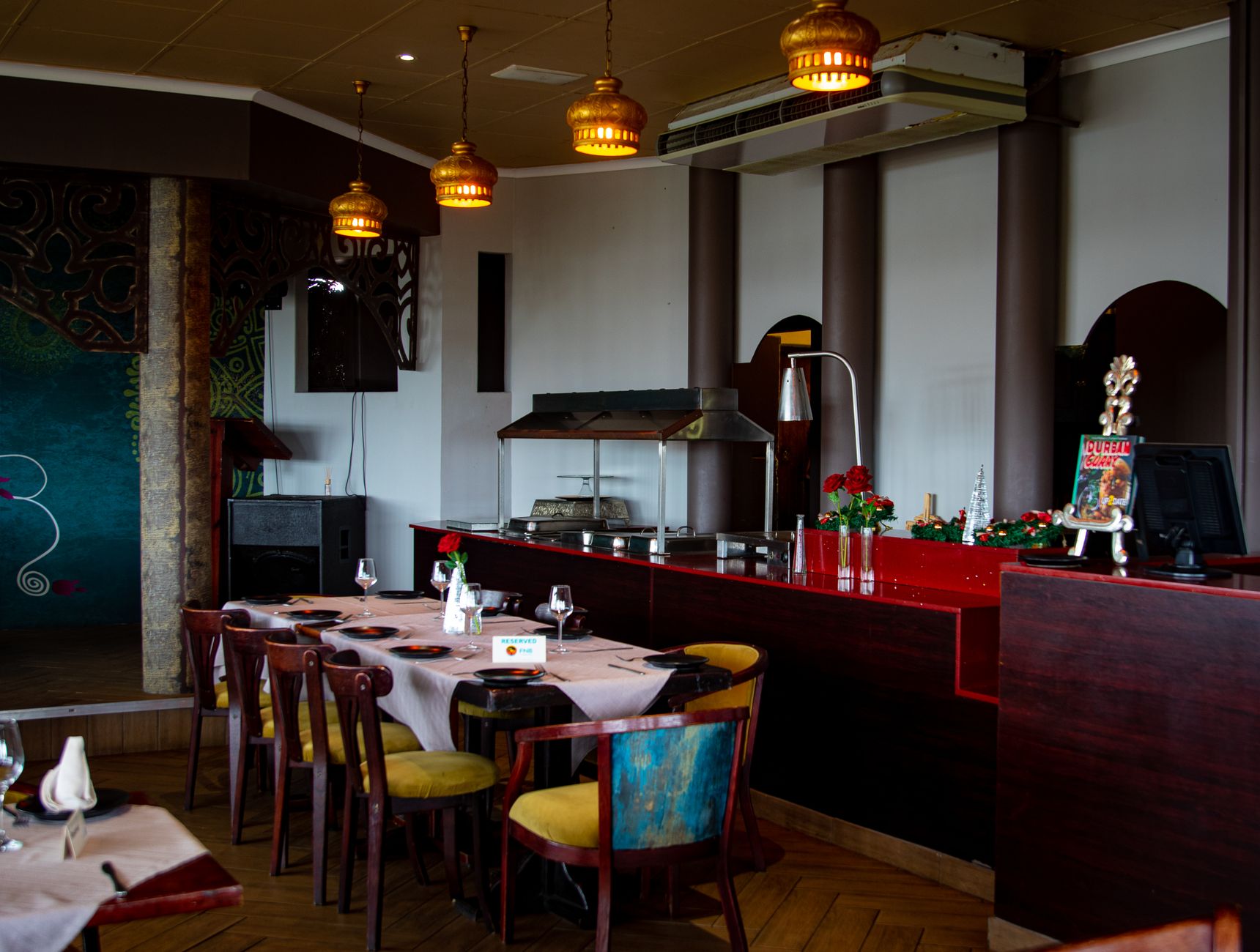
Lighting, temperature, noise level and decor act as experience multipliers. Good atmosphere enhances perceived food quality; poor atmosphere (too noisy, poorly lit, cold) penalises it even when the food is excellent. Restaurants with well-designed acoustics consistently score 10–15% higher in post-visit satisfaction surveys. For families and large groups, noise management is particularly critical.
Price itself is rarely the top complaint — value is. Diners do not mind paying more when the experience justifies it; they resent paying average prices for a below-average experience. In mystery diner audits, the price-value perception is measured by comparing what the menu promises against what the diner actually receives in terms of portion size, ingredient quality and service level.
Menu breadth, clarity of allergen information and availability of dietary alternatives (vegetarian, vegan, gluten-free, halal) have become baseline expectations in 2026, not differentiators. EU Regulation 1169/2011 requires allergen information to be available for all 14 major allergen groups. Restaurants where staff cannot answer allergen questions without checking the kitchen receive a critical fail in any professional mystery diner questionnaire.
Remembering a regular's name, dietary preference or usual drink multiplies return probability. Restaurant CRM systems (SevenRooms, Resy, OpenTable) enable this personalisation at scale. A diner who feels recognised recommends the restaurant 2.3 times more frequently than one who does not. Personalisation is one of the most powerful loyalty drivers — and one of the least costly once the system is in place.
The experience starts before the diner walks in: ease of booking online, confirmation quality, pre-arrival communication, greeting at the door and speed to table. Restaurants that streamline the pre-arrival journey consistently score higher on overall satisfaction even when in-service ratings are identical to competitors who ignore this phase.
In 2026, 41% of diners under 40 actively consider sustainability when choosing a restaurant: locally sourced ingredients, reduction of single-use plastic, clear food waste policies and ethical sourcing. In premium segments, sustainability is an active choice factor. In mass market segments, it is becoming a tiebreaker. Restaurants that can communicate sustainability credentials clearly (on menus, signage and their Google Business Profile) convert this value into competitive advantage.
| Segment | Top priority | 2nd priority | 3rd priority | Key differentiator |
|---|---|---|---|---|
| Fast food / QSR | Speed | Consistency | Hygiene | Order accuracy |
| Fast casual | Food quality | Value | Speed | Fresh ingredients |
| Casual dining | Food quality | Service | Atmosphere | Staff warmth |
| Set-menu (lunch) | Speed | Value | Food quality | Efficiency |
| Mid-range a la carte | Food quality | Service | Atmosphere | Personalisation |
| Fine dining | Culinary experience | Service excellence | Ambience | Emotional memory |
| Family restaurant | Kid-friendliness | Value | Space/noise | Flexibility |
| Takeaway / delivery | Accuracy | Speed | Temperature | Packaging quality |
There are three primary measurement approaches, each with distinct strengths and limitations:
The best-performing restaurants use all three in combination: mystery diner for operational diagnostics, NPS for tracking trend direction, and review analysis for theme identification and public-facing reputation management.
A mystery diner audit is the only tool that captures the diner experience as it actually happens, moment by moment, from an objective external perspective. The evaluator visits the restaurant as a normal guest, records each touchpoint with timestamps, evaluates food quality against objective criteria, interacts naturally with staff and tests defined scenarios (e.g. asking about allergens, requesting a menu modification, handling a simulated complaint).
The output is a structured report with scores per area, timestamped evidence and prioritised recommendations. For multi-site restaurant groups, mystery diner programmes enable direct comparison between locations and identification of which sites need targeted intervention — far more efficiently than reviewing the aggregate of hundreds of unstructured online reviews.