Success Stories: Stores That Boosted Sales With Mystery Shopping
Mystery shopping isn't just a tool for spotting problems — it's a sales-growth engine. This guide collects the most common success patterns in retail and explains how to replicate them in your store.
The common improvement pattern in stores using mystery shopping
The most effective retail mystery shopping programmes share the same structure:
Initial diagnosis: 2-3 mystery shopper visits to establish a baseline.
Training session: the report's findings become training material for the sales team.
Implementing improvements: updated protocol, reinforcement of weak points, internal incentives.
Verification: 2-3 further mystery shopper visits to measure the impact of the changes.
Ongoing cycle: a quarterly or biannual programme to maintain standards and catch new deviations.
Metrics that improve with mystery shopping
Metric
Average observed improvement
Typical timeframe
Conversion rate
+2 to +5 percentage points
60-90 days
Average ticket
+8 to +15 percent
90-120 days
NPS / customer satisfaction
+10 to +20 points
90-180 days
Google reviews (average)
+0.2 to +0.5 stars
6-12 months
Staff turnover
-10 to -25 percent
6-12 months
Data based on sector studies and programmes published by mystery shopping consultancies in Europe and Latin America.
Examples by sector
Fashion retail
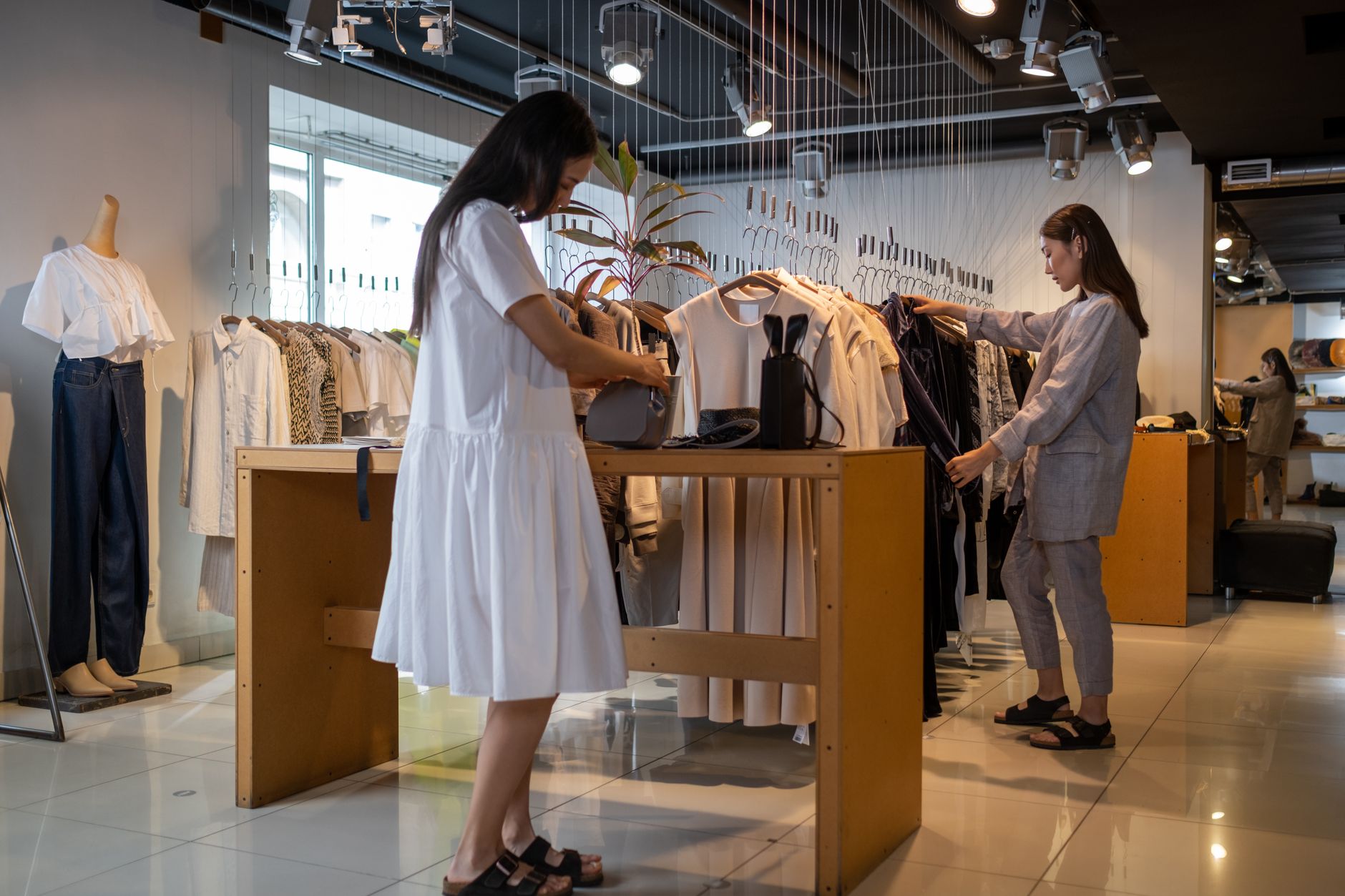
A fashion chain with 12 stores in Spain used mystery shopping to find that 60 percent of sales staff didn't offer an alternative size when the requested one was unavailable. After a training programme built on the audit findings, conversion improved by 3.5 points and average ticket rose 12 percent in 90 days.
Opticians
An independent optician network used mystery shopping to benchmark its service protocol against major chains. It found that welcome time exceeded 3 minutes in 40 percent of visits. After the action plan, the customer-experience score rose 18 points out of 100 in the following audit cycle.
Consumer electronics
An electronics retailer found that its sales staff knew the products well but weren't asking customers questions to personalise recommendations. The mystery shopping programme identified the issue, a consultative-questioning script was rolled out, and upselling improved 9 percent in 60 days.
Frequently asked questions
How long does it take to see the sales impact of mystery shopping?
The first changes in conversion rate are usually detectable within 60-90 days; full annual impact is measured at the end of the first yearly audit cycle.
Which metrics improve most from mystery shopping in retail?
Conversion rate, average ticket (from trained upselling) and NPS/online reviews improve the most; customer service time also improves significantly.
Is mystery shopping worthwhile for small stores?
Yes — a basic programme of 3-4 annual visits costs €200-€600, and even a 1-2 point conversion increase usually delivers positive ROI in the first quarter.
Can mystery shopping be done online (e-commerce)?
Yes: it evaluates the online purchase flow, chat/email response times, packaging quality and post-sale follow-up, ideal for stores with both physical and online presence.
What's the difference between mystery shopping and internal quality audits?
Internal audits are done by staff the employee may recognise, which changes behaviour; mystery shopping uses external evaluators posing as real customers, removing the Hawthorne effect and giving more representative data.
Alberto Sanz Diaz SEO professional and customer experience consultant with over 10 years auditing financial services, retail and hospitality through mystery shopping and mystery guest audits.