Mystery Shopper for Telecom Companies
Telecom stores run one of the most complex sales processes in retail: the advisor has to diagnose needs, explain rate plans, handle number porting and close contracts with minimum-term conditions. Mystery shopping measures whether that process is executed consistently and to a high standard across every store and channel.
Updated 2026-08-11Mobile & fixed telecomStores + WhatsApp
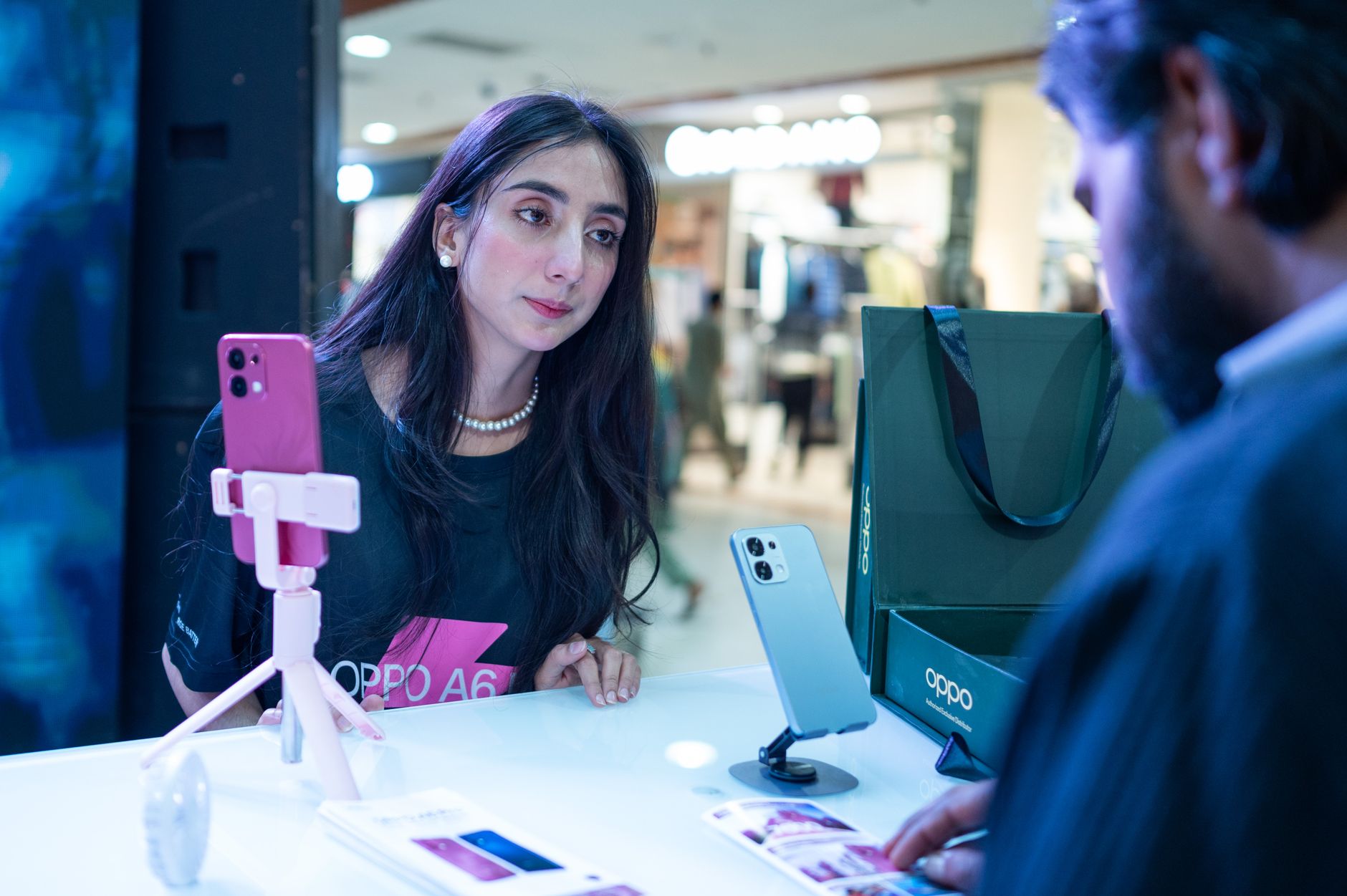
What a mystery shopper evaluates in telecom
The telecom mystery shopper simulates a visit from a real customer interested in a mobile plan, a new device or porting their number. The evaluator follows the whole visit and scores each stage against the operator's protocol:
- Welcome and queue management: is the customer acknowledged within 60 seconds? Are they given a ticket or served directly? Is the wait handled with proactive communication?
- Needs diagnosis: does the advisor ask how many GB the customer uses per month, what device they currently have, whether they want to port their number, and what their budget is? A good diagnosis includes at least 3 open questions before presenting an offer.
- Offer presentation: are the minimum-term conditions, real data speeds, actual monthly cost (with and without temporary discounts) and included add-ons clearly explained?
- Objection handling: how does the advisor respond to coverage questions in specific areas, competitor comparisons or doubts about contract clauses?
- Closing and follow-up: is completing the process the same day offered, or is a second visit booked? Is documentation handed over and the customer properly seen off?

Digital mystery shopping: WhatsApp Business and web chat
Since 2020, digital mystery shopping has represented 30-40% of telecom audits. The channels evaluated are:
- WhatsApp Business: the evaluator starts a conversation as a customer interested in a plan. Metrics: initial response time (standard: under 5 minutes during business hours), quality of the written diagnosis, and ability to close a sale or book a store visit.
- Web chat: similar to WhatsApp, with focus on the bot's or agent's ability to resolve complex queries (porting, coverage, plan comparisons) without escalating to a phone call.
- Operator app: evaluation of the self-service sign-up or contract-change experience, with focus on clarity of information and process abandonment rate.
Digital mystery shopping is especially relevant for mobile virtual network operators (MVNOs) that operate mainly through online channels and where digital support quality is their main differentiator.
KPIs for telecom mystery shopping
| KPI | Description | Benchmark |
|---|
| Active-diagnosis rate | % of visits where the advisor asks ≥3 needs-based questions | >80% |
| Full-offer presentation | Explains minimum term + price + coverage + add-ons | >75% |
| First-attention time | From entry to being seen by an advisor | <5 min |
| WhatsApp response | Time from first message to a real reply | <5 min |
| Closing-attempt rate | % of visits where the advisor proposes completing the contract | >70% |
| Simulated NPS | Overall 0-10 rating of the evaluator's experience | >7.5 |

How to hire a telecom mystery shopping audit
Options depend on company size:
- National operators: hire large mystery shopping networks (TNS/Kantar, BARE International, Market Force) to cover hundreds of stores nationwide with brand-specific questionnaires. Programmes typically include in-store, phone and digital mystery shopping.
- Independent dealers and single-brand stores: regional consultancies or mobile-panel platforms (Field Agent) with local evaluators. Ideal for 10-50-store programmes on a tighter budget.
- Virtual operators (MVNOs): focus on digital mystery shopping. Consultancies specialising in digital CX with a dedicated WhatsApp Business and web-chat evaluation methodology.
Table: sales-process stages and benchmarks in telecom
| Stage | What the mystery shopper evaluates | Benchmark |
|---|
| Welcome | Customer acknowledgement, queue handling | <60 sec |
| Diagnosis | Number of needs-based questions, active listening | ≥3 questions |
| Offer | Clarity of terms, real price, coverage | Full explanation |
| Objections | Quality of answers on coverage, price or competitors | Resolves without escalating |
| Closing | Closing attempt, follow-up visit | Clear proposal |
| Goodbye | Documentation handed over, courteous farewell | Always |
Frequently asked questions
- What does a mystery shopper evaluate in a telecom store?
- Five key areas: welcome and queue management, needs diagnosis (at least 3 open questions), offer presentation (terms, real price, coverage), objection handling, and closing with proper follow-up and documentation.
- How does digital mystery shopping work for telecom (WhatsApp, chat)?
- It simulates a real enquiry via WhatsApp Business, web chat or app, measuring response time (under 5 minutes is standard), diagnosis quality, ability to close a sale or book a visit, and how written issues are handled. Especially relevant for MVNOs operating online-only.
- How often should telecom companies run mystery shopper audits?
- Monthly per store for large national operators; quarterly for independent dealers or smaller stores; digital channels (WhatsApp/chat) can be audited fortnightly since the cost per audit is lower.
- What KPIs does mystery shopping measure in telecom?
- Active-diagnosis rate, full-offer presentation rate, simulated NPS, service time, closing rate and brand-protocol compliance.
- What differences exist between mystery shopper programmes across major operators?
- Each operator prioritises different KPIs — consultative diagnosis and bundle sales, brand experience and digital tools, NPS and first-visit resolution, or a leaner price-driven protocol. Specialised providers adapt the questionnaire per operator to allow like-for-like comparisons between stores.
AS
Alberto Sanz Diaz
SEO professional and customer experience consultant with over 10 years auditing financial services, retail and hospitality through mystery shopping and mystery guest audits.