
Complete B2B guide to mystery shopping in food retail: the key evaluation areas, operational checklist, industry benchmarks, online channel management and 4 frequently asked questions.
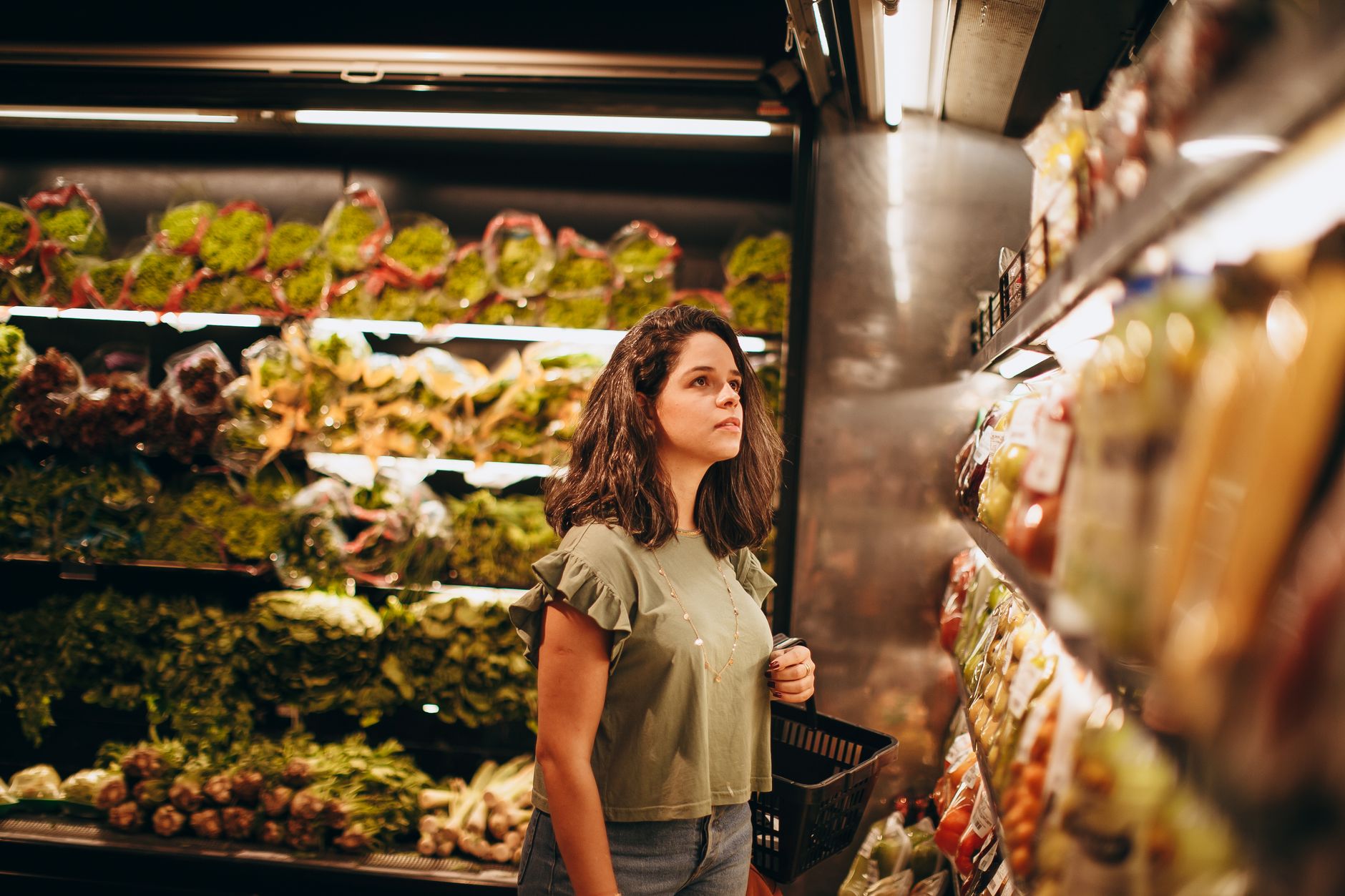
Supermarket mystery shopping (also called food retail secret shopper or shopping experience audit) is an evaluation methodology in which a certified assessor acts as a real shopper — doing the usual shop, checking prices, asking a floor employee for help or using click & collect — and objectively records every touchpoint against a predefined questionnaire.
Unlike satisfaction surveys conducted at checkout, mystery shopping captures facts observable at the exact moment they happen: whether the shelf price matches the till price, whether the butcher recommended the higher-margin product without the customer asking, or whether the fruit section showed visible moisture in packaging indicating spoiled produce. No NPS or digital survey captures that data.
In 2026, retail chains operating in a market with tight margins and heavy private-label competition see mystery shopping as an essential part of their continuous operations and customer experience improvement cycle. The goal isn't to punish staff, but to detect the process points that cause silent churn — the customer who doesn't complain, simply doesn't return — and implement concrete improvements before the impact shows up in sales.
The assessor records the first impression on entering the store: cleanliness of the entrance and car park, visible exterior signage, availability of trolleys and baskets in good condition, floor condition and overall appearance of the entrance. The first 30 seconds determine the shopper's perception of trust; a neglected entrance creates a negative predisposition that carries through the whole visit. The industry benchmark is that 80% of first-impression incidents are correctable with basic operational checklists that simply aren't being followed.
During the walkthrough, the assessor observes shelf condition (dust, misplaced products, unrestocked gaps), floor cleanliness in high-turnover sections, price sign condition (legible, up to date, correctly positioned), visible temperature in chilled and frozen sections, and management of cardboard and packaging waste. A clean, orderly store generates a perception of freshness and quality that transfers directly to the perceived value of the retailer's own brand.
The assessor checks availability of items from a predefined shopping list, noting whether shelf gaps have been restocked or left empty, whether visible substitutes are offered when the main product is missing, and whether floor staff actively manage stock-outs or ignore them. Stock-outs among a supermarket's top 20 best-selling products can account for 3% to 7% of lost sales per visit, according to sector studies. Mystery shopping measures this indicator systematically and comparably between stores.
The assessor verifies that the shelf price matches the till price (a common breach that generates complaints), that promotions are correctly signed with before-and-after pricing, that own-brand labels stand out appropriately against manufacturer brands, and that promoted products are in the location advertised in the chain's communications. Price discrepancies are the number-one complaint driver in supermarkets and have a direct impact on shopper trust.
The assessor asks a floor employee for help — the location of a product, a recommendation in the wine or assisted deli section — and records response time, attitude (did the employee approach without being called?), product knowledge and the ability to make a complementary purchase suggestion. Floor staff quality is one of the most differentiating factors between chains, and one of the hardest to measure with any method other than direct observation.
The assessor records the number of open tills against customer flow, waiting time until served (benchmark: under 4 minutes off-peak, under 7 minutes at peak), the cashier's attitude during the process, whether the loyalty card or current promotion was offered, and whether the payment process — including contactless and self-checkout — worked without issues. Checkout is the last touchpoint before the customer leaves the store, and a negative experience here has a disproportionately high recall effect.
In this scenario, the assessor simulates a real complaint: a price different from the one advertised, a spoiled product found on the shelf, or a discrepancy in change. How the employee handles the incident is evaluated: do they resolve it on the spot? Do they escalate to a shift manager? Is the complaint process fast and frictionless? Does the customer receive a clear apology and a concrete solution? Incident handling is the moment of truth with the biggest impact on loyalty: a customer whose complaint is resolved well is more loyal than one who never had a problem.
These are the most common indicators in food retail mystery shopping programmes. Each chain customises its questionnaire based on its standards and priorities, but most build on this base:
| Area | Indicator |
|---|---|
| Entrance | Trolleys and baskets available, in good condition and well placed |
| Entrance | Entrance and car park floors clean, no cardboard or litter |
| Entrance | Visible, up-to-date exterior signage |
| Cleanliness | Shelves free of dust and misplaced products |
| Cleanliness | Clean floors in high-turnover sections (bakery, produce, deli) |
| Cleanliness | Chilled and frozen sections at correct temperature (visual indicator) |
| Cleanliness | No visibly expired products on shelf |
| Stock | The 5 shopping-list products available on shelf |
| Stock | Shelf gaps restocked or with a visible substitute |
| Stock | Fresh produce section with fresh product, no visible spoilage |
| Pricing | Shelf price matches till price |
| Pricing | Price labels legible, correctly positioned, no duplicates |
| Pricing | Promotions signed with visible before/after price |
| Pricing | Promoted products in the advertised location |
| Floor staff | Floor employee identifies and greets the customer in a specialist section |
| Floor staff | Response time to a query < 2 minutes |
| Floor staff | Employee knows the location of the requested product |
| Floor staff | Employee makes a complementary purchase suggestion (soft upselling) |
| Checkout | Waiting time < 4 min off-peak |
| Checkout | Cashier greets and says goodbye courteously |
| Checkout | Loyalty card or current promotion offered |
| Checkout | Contactless payment process without issues |
| Checkout | Self-checkout tills operational with a legible screen |
| Complaints | Employee accepts the complaint without a defensive attitude |
| Complaints | Resolves on the spot or escalates to shift manager in < 3 minutes |
| Complaints | Provides a clear apology and a concrete solution |
| Atmosphere | Background music at an appropriate volume, no interference |
| Atmosphere | Comfortable temperature in-store, no cold draughts in fresh sections |
| Sustainability | Recycling points visible and clearly signed |
| Online | Online order prepared correctly and within the promised window |
In 2026, the online channel accounts for between 8% and 12% of sales for major retail chains in Europe. Digital mystery shopping in supermarkets covers two distinct scenarios:
Chains that regularly audit their online channel find that the main sources of dissatisfaction aren't price or product range, but substitution management (the customer receives an unwanted substitute without being consulted) and unreported delays in the delivery window. Both are process issues that are correctable with specific training for the order-picking team.
| Area | Indicator | Reference benchmark (2026) |
|---|---|---|
| Entrance | Time from entry until a trolley is available | < 30 seconds |
| Cleanliness | No expired products on shelf | 0 incidents per audit |
| Stock | Availability of the top 20 products | > 97% per audit |
| Pricing | Shelf price matches till price | 100% mandatory |
| Floor staff | Response time to a customer query | < 2 minutes |
| Floor staff | % visits with a complementary suggestion | > 60% in specialist sections |
| Checkout | Off-peak waiting time | < 4 minutes |
| Checkout | Peak-hour waiting time (1-3pm, 7-9pm) | < 7 minutes |
| Checkout | Billing accuracy (0 errors) | 100% mandatory |
| Complaints | On-site resolution or escalation < 3 min | > 90% of cases |
| Online C&C | Order pickup waiting time | < 5 minutes |
| Online C&C | Order accuracy | > 99% correct items |
| Online delivery | Delivery punctuality (promised window) | > 95% of deliveries |
| Fresh produce | Chilled temperature at home delivery | < 8°C at all times |
InsidePro360 designs mystery shopping programmes tailored to food retail: customised operational checklist, multichannel evaluation (in-store + online) and comparative reporting between stores within 48 hours.
Request a quote →