

E-mystery shopping (or digital mystery shopping) applies the mystery shopper methodology to the online channel. A trained evaluator makes a real purchase on your ecommerce site and documents every friction point — from first search to unboxing — with screenshots, response-time logs and written observations.
Traditional mystery shopping evaluates the in-store experience. E-mystery shopping replicates that methodology digitally: an evaluator acts as a real customer, completes the full purchase journey and documents the experience against a structured questionnaire.
Unlike satisfaction surveys, which measure subjective perception, digital mystery shopping measures observable, verifiable behaviours: exact chat response time, whether the checkout required more than four steps, whether the order confirmation arrived within 5 minutes.
| Area | What is measured | Typical weight |
|---|---|---|
| Usability & navigation | Ease of product discovery, search, filters, page load speed | 15% |
| Product page | Full descriptions, image quality, variants, reviews, stock visibility | 15% |
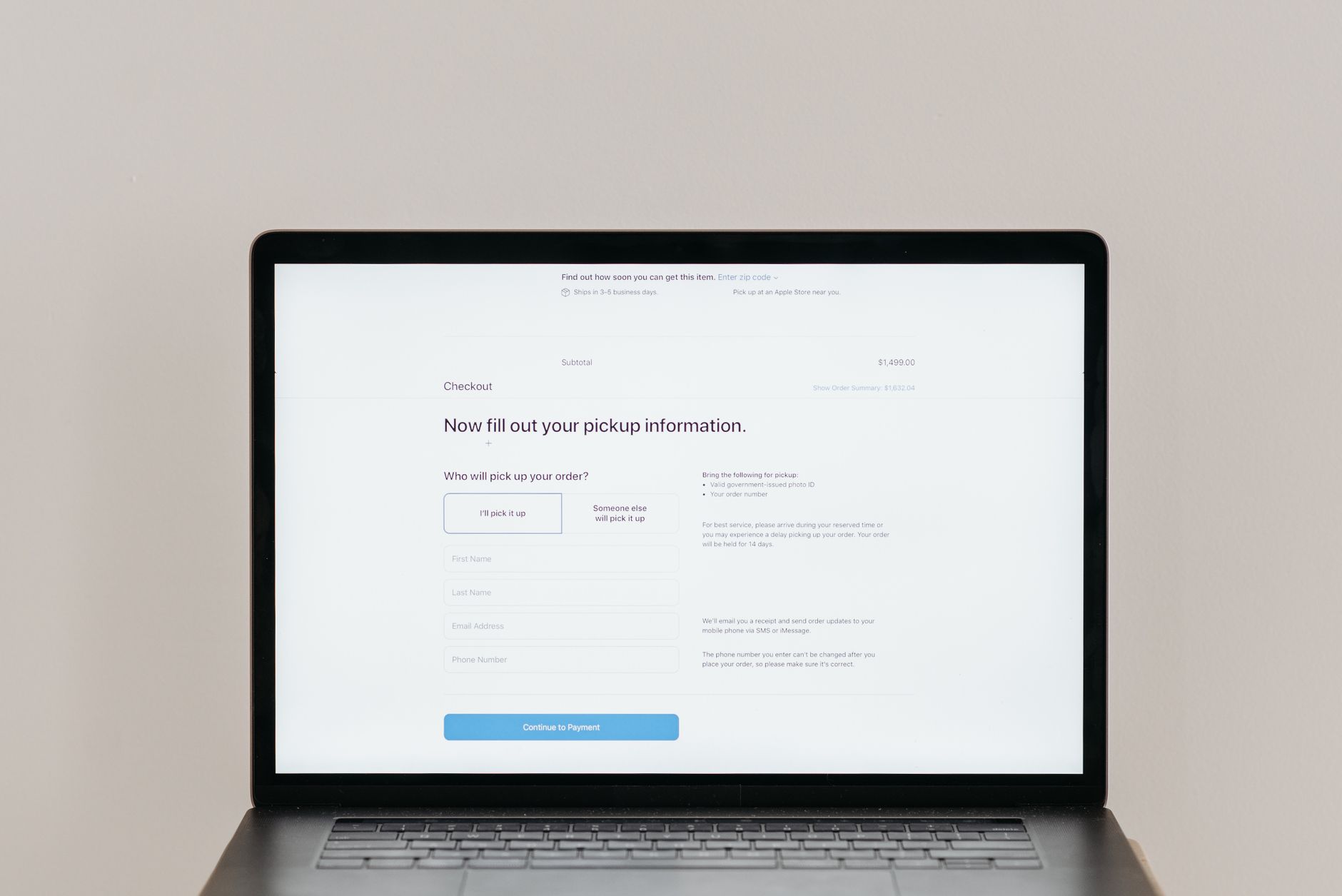
| Checkout process | Number of steps, payment options, security signals, cost clarity | 20% |
| Customer service | Chat/email/phone response time, first-contact resolution | 20% |
| Logistics & delivery | Actual vs promised lead time, tracking communications, packaging condition | 15% |
| Packaging & unboxing | Product protection, materials, included information, opening experience | 5% |
| Returns process | Policy clarity, ease of process, refund time | 5% |
| Post-purchase comms | Confirmation, tracking, satisfaction survey, upsell, incident handling | 5% |

| KPI | Sector benchmark | Alert threshold |
|---|---|---|
| Chat response time | < 2 minutes | > 5 minutes |
| Email response time | < 4 business hours | > 24 hours |
| Checkout steps | 3–4 steps | > 6 steps |
| Product page load time | < 2.5 seconds | > 4 seconds |
| Standard delivery time | 2–3 business days | > 5 business days |
| Return refund time | < 5 business days | > 14 business days |
| First contact resolution (FCR) | > 75% | < 50% |
| Audit type | Unit price | Annual programme (×4) |
|---|---|---|
| Basic audit (purchase + service) | €80–120 + product cost | €55–85 (–30%) |
| Full audit (+ returns + post-purchase) | €150–250 + product cost | €110–180 (–28%) |
| Multi-channel audit (web + app + marketplace) | €300–500 | €220–360 (–27%) |
| Benchmark vs 3 competitors | €600–1,200 | n/a (ad hoc) |
| Web analytics (GA4, Hotjar) | Digital mystery shopping | |
|---|---|---|
| What it measures | Aggregate behaviour of thousands of users | Detailed experience of trained evaluators |
| Detail level | Rates, funnels, heatmaps | Qualitative narrative + visual evidence |
| Customer service | Not directly measurable | Response time, quality, resolution |
| Post-purchase logistics | Not measurable (off-site) | Actual lead time, packaging, unboxing |
| Cost | Low (tools already installed) | Medium (€80–500 per audit) |
| Frequency | Continuous | Quarterly or campaign-based |