How to Become a Mystery Shopper: Requirements, Pay and What Gets Evaluated
What does a mystery shopper actually look for in a restaurant? Requirements to become one, how and how much you get paid per visit, and how it differs from being a regular diner. Practical guide, updated for 2026.
Updated 2026-08-24Clear requirements2026 rates10 FAQ

€10-60average pay per restaurant visit in Spain
18+usual minimum age to register
24-48hdeadline to submit the report after the visit
2-4weeks until you receive validated payment
What it means to work as a mystery shopper
Working as a mystery shopper means visiting a business acting as a normal customer or diner, then objectively recording what you observed in a questionnaire for the agency or company commissioning the evaluation. It isn't a fixed job: these are paid one-off tasks (assignments) accepted voluntarily based on availability.
The person acting as a mystery shopper experiences the visit exactly like any other diner: books a table, sits down, orders and pays. The difference lies in what happens after leaving the restaurant, not during the visit. That's why the ideal profile isn't an "inspector" but a regular diner with good observation skills.
What a mystery shopper looks for in a restaurant
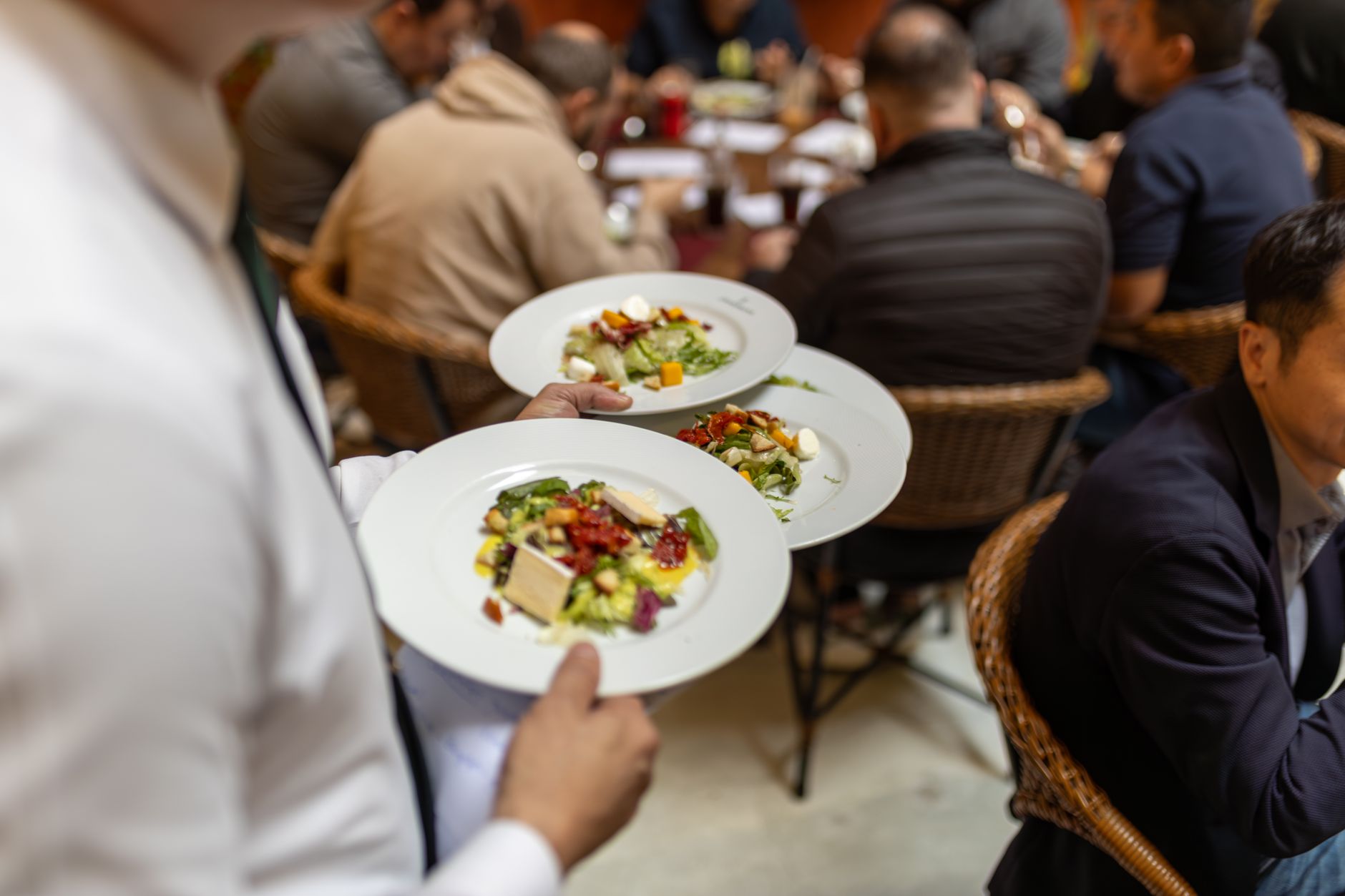
The assessor isn't looking for faults for the sake of it: they record concrete, comparable facts about the diner's full journey, from booking to the bill. The points that come up most often in mystery diner questionnaires for restaurants are:
- Time until the first greeting on arrival (benchmark: under 60 seconds)
- Time until the order is taken
- Consistency between the menu description and the dish served
- Correct temperature of hot and cold dishes
- Waiter's knowledge of allergens and ingredients
- Cleanliness of table, tableware and restrooms
- Handling of an incident if the briefing includes a simulated question or complaint
- Wait time to pay the bill and accuracy of the invoice
This checklist largely overlaps with the key elements of a mystery diner audit and with restaurant service-time standards used as a benchmark across the HORECA sector.
Mystery shopper vs. diner: the key difference
This is where the most common confusion arises: is being a diner the same as being a mystery shopper? Not quite. Every mystery shopper acts like a diner, but adds a layer of objective recording that a regular diner doesn't do.
| Regular diner | Mystery shopper / mystery diner |
|---|
| What they do | Experiences the visit and, at most, remembers or mentions it | Experiences the visit the same way, and also records it in a structured questionnaire |
| What they measure | Nothing systematically; their opinion is subjective | Concrete facts: times, temperatures, staff responses |
| How they're identified | A recognisable customer | Doesn't reveal their identity during the visit |
| What they receive | The experience they're paying for | The experience + a fee for the report, plus expense reimbursement |
Important for the restaurant: since the mystery shopper is indistinguishable from a real diner during the visit, the venue has to give the same level of service to everyone equally. That's exactly why mystery shopper data is reliable: it doesn't measure a special situation, it measures everyday reality. To understand what factors shape that experience from the diner's point of view, see the full guide on
what diners look for in a restaurant.
Requirements to become a mystery shopper

No prior experience or specific training is required, but agencies do check a series of conditions before assigning tasks:
- Legal age (18 in most programmes)
- Smartphone with internet access to choose tasks and submit the report
- Real availability during the assigned visit's time slot
- Good observation skills and memory for detail
- Honesty in reporting: describing what happened, not what was expected to happen
- Absolute discretion: never revealing the assessor role or posting about it on social media
- A bank account or PayPal to receive payment and reimbursement
How a mystery shopper gets paid
Payment almost always has two separate components: a fixed fee for the task (the work of observing and writing the report) and, where applicable, the reimbursement of the actual expense of the meal or consumption up to a cap agreed in advance.
| Visit type | Report fee | Expense reimbursement | Payment timeframe |
|---|
| Mystery shopper in store/retail | €5 - €20 | Usually doesn't apply | 2-4 weeks |
| Mystery diner at restaurant | €10 - €40 | Up to €20-€60 of consumption | 2-4 weeks |
| Mystery call / mystery click | €3 - €15 | Not applicable | 1-3 weeks |
| Hotel mystery guest | €30 - €100 | Full or partial stay | 3-6 weeks |
Payment is usually made by bank transfer or PayPal, once the agency's quality team validates that the report is complete, consistent and submitted on time. If the purchase receipt is requested as evidence and isn't attached, the reimbursement may be denied even if the report itself is accepted.
Warning sign: no serious mystery shopping agency asks for money upfront to "register" you, or charges a commission for assigning tasks. If an offer requires that, it isn't a legitimate programme.
Do you have to declare income from working as a mystery shopper?
Yes, in general any income from a service rendered has to be declared for tax purposes, and mystery shopping is no exception. In Spain, if the activity is occasional and low in amount, it usually fits as casual income; if it becomes a recurring activity with a significant volume of tasks, it may be necessary to register as self-employed. The reimbursement of the meal expense (not the report fee) is normally not treated as income, since it compensates a real expense.
This is general information, not tax advice. The exact rules vary by country, income volume and each assessor's personal situation: when in doubt, consult an accountant or tax advisor.
How to start working as a mystery shopper: 6 steps
- Register with mystery shopping agencies. Sign up as an assessor with city, availability and consumption profile (how often you eat out, what type of venues you visit).
- Fill in your profile honestly. The more accurate your profile, the better the tasks you receive will match your real habits as a diner.
- Accept an assignment. Review the briefing: restaurant, time slot, reimbursable budget and the questionnaire you'll fill in afterwards.
- Carry out the visit like a normal diner. Book, sit down, order and observe without taking visible notes or asking atypical questions for an ordinary customer.
- Fill in the report within the first 24 hours. Answer with concrete facts while the memory is fresh and attach the receipt if reimbursement is requested.
- Receive payment. Once the quality team validates the report, the agency pays the fee and the reimbursement, usually by transfer or PayPal.
Mistakes that get a mystery shopper report rejected
- Submitting the report outside the 24-48 hour deadline set in the briefing
- Answering with generic opinions instead of concrete facts ("it was fine" instead of "it took 12 minutes for the order to be taken")
- Not completing the simulated incident requested by the briefing (allergen query, complaint, special request)
- Not attaching the purchase receipt when required for reimbursement
- Contradictions between the questionnaire answers and the qualitative narrative
- Revealing the assessor role during the visit, which invalidates the objectivity of the data
Frequently asked questions
- What exactly does a mystery shopper look for in a restaurant?
- They look for objective, measurable facts, not opinions: time until first greeting, minutes until the order is taken, dish temperature and presentation, the waiter's knowledge of the menu and allergens, cleanliness of the table and restrooms, and how payment is handled.
- How does a mystery shopper get paid?
- Payment is per completed and validated visit: a fixed fee (typically between €10 and €60 for restaurant visits in Spain) plus reimbursement of the actual meal cost up to an agreed cap, by transfer or PayPal, 2 to 4 weeks after submitting the report.
- What's the difference between a diner and a mystery shopper?
- Every mystery shopper acts as a diner during the visit, but not every diner is a mystery shopper. The diner simply experiences the visit; the mystery shopper experiences it the same way but also records it objectively and in a structured way, without revealing their identity to staff.
- What requirements do you need to meet to become a mystery shopper?
- Being of legal age, a smartphone with internet access, availability during the task's time slot, observation skill, honesty in reporting and total discretion during the visit.
- Is it a job or an occasional activity?
- In most cases it's an occasional, supplementary activity. If it becomes recurring with a significant volume, it's worth checking with an accountant whether you need to register as self-employed.
- Can restaurant staff spot the mystery shopper?
- It's uncommon if the assessor matches the target customer profile and behaves naturally, without taking visible notes or asking atypical questions.
- Do you have to pay for the meal when doing a mystery shopper visit?
- The assessor pays at the time like any other diner, and the agency later reimburses the expense (in full or up to a cap) once it validates the report and the purchase receipt.
- How many mystery shopper visits can you do per month?
- It depends on task availability in your city. In large cities it's common to find several food service and retail tasks per month.
- Do you need previous experience to become a mystery shopper?
- No. Agencies provide a briefing with the questionnaire and specific instructions before each visit.
- What happens if the mystery shopper doesn't submit the report on time?
- The usual deadline is 24 to 48 hours after the visit. Submitting it late or incomplete can mean the report is rejected and payment withheld.
AS
Alberto Sanz Diaz
SEO professional and customer experience consultant with over 10 years evaluating retail, restaurants and service chains through mystery shopper audits.