
ExpressVPN and NordVPN are two of the most established and best-rated VPNs on the market, and both almost always top any serious comparison. Both encrypt your traffic, hide your IP, run a strict no-logs policy and work on virtually any device. But they take different approaches: ExpressVPN bets on simplicity and a very lightweight proprietary protocol, while NordVPN prioritises top speed and server count. In this head-to-head we break down price, speed, security and devices so you know which one fits your real-world use.
As with any VPN, the right choice depends on your specific priority: if you're after the best long-term price and maximum speed, the scale tips one way; if you value absolute simplicity or need to connect from countries with censorship, the other has the edge. Let's look at the data.

| Criterion | ExpressVPN | NordVPN |
|---|---|---|
| Price (best plan) | From 6.19 EUR/month (annual plan) | From 3.39 EUR/month (2-year plan) |
| Servers | 3,000+ / 105 countries | 6,400+ / 110 countries |
| Simultaneous devices | 8 | 10 |
| Proprietary protocol | Lightway | NordLynx (WireGuard) |
| Top speed in tests | 600-750 Mbps | 950+ Mbps |
| Audited no-logs | Yes (several audits) | Yes (several audits) |
| RAM-only servers | Yes (TrustedServer) | Yes |
| Automatic obfuscation | Yes, no setup needed | Yes, manual (dedicated servers) |
| 2-year plan | Not available | Yes |
| Free trial | 30-day money-back guarantee | 30-day money-back guarantee |
| Rating | ★★★★☆ 4.6/5 | ★★★★★ 4.8/5 |
| See ExpressVPN offer → | See NordVPN offer → |
NordVPN wins on price by a clear margin, mainly because it offers a 2-year plan that ExpressVPN doesn't have. While NordVPN can drop to 3.39 EUR/month on its longest plan, ExpressVPN's best option is its annual plan, at around 6.19 EUR/month — almost double. ExpressVPN does offer a monthly plan for anyone who only needs the VPN for a few weeks, which can be worthwhile if your use is occasional (a trip, a specific campaign) and you don't want a long-term commitment.
NordVPN structures its plans in three tiers: Basic (pure VPN), Plus (with password manager and data breach scanner) and Ultimate (with encrypted cloud storage). ExpressVPN keeps it simple with a single plan that includes all core features, which speeds up the buying decision but leaves less room to pay only for what you need. Both offer a 30-day no-questions-asked money-back guarantee, so you can try either risk-free before committing to a long plan.
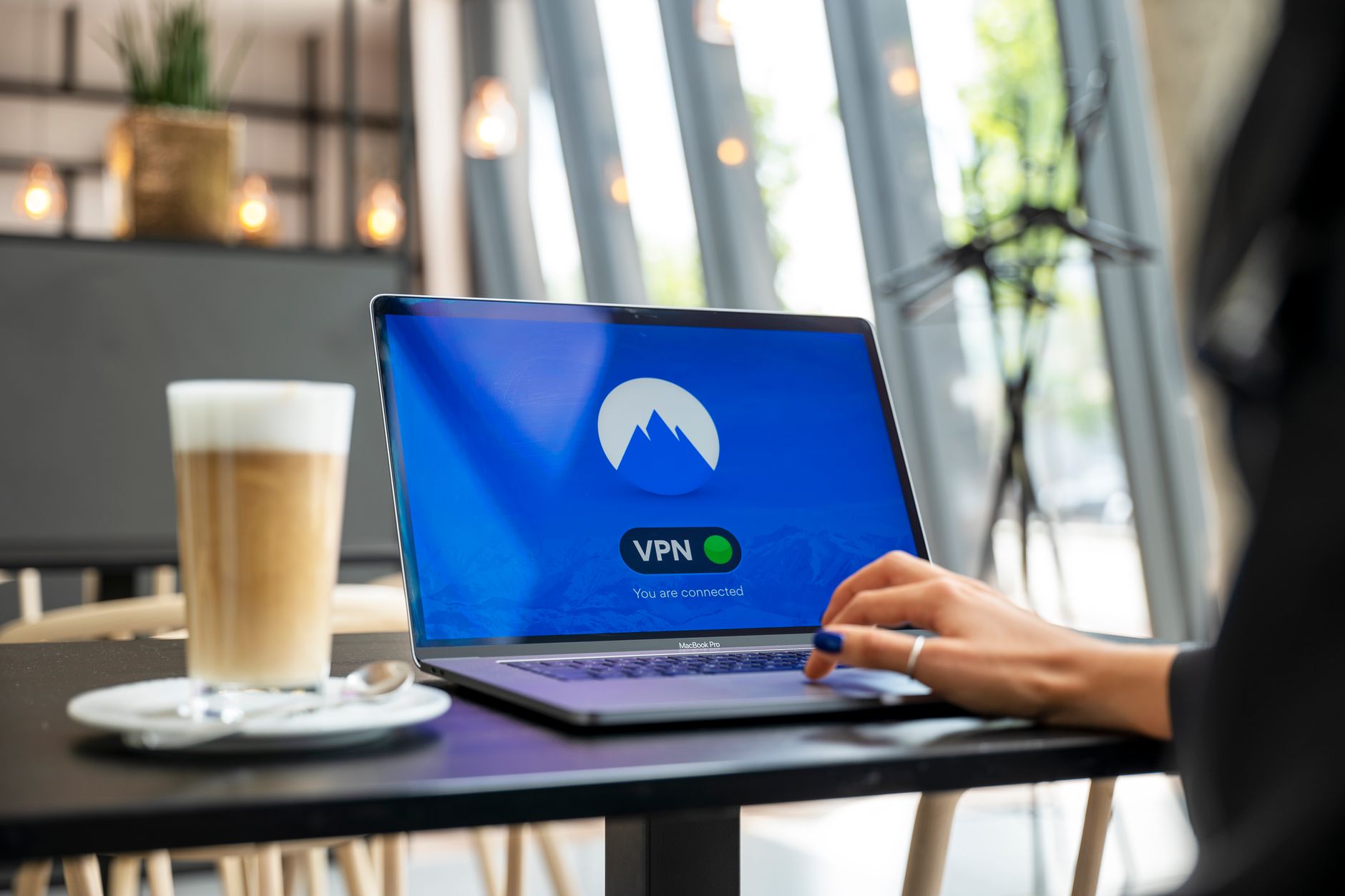
On speed, NordVPN has a clear edge. Its proprietary NordLynx protocol, built on WireGuard, hits peaks above 950 Mbps in independent 2026 tests, with very low speed loss versus the base connection (around 5-6%). ExpressVPN uses its own protocol, Lightway, designed to be lightweight and stable rather than the fastest on the market: on local connections it usually sits around 600-750 Mbps, more than enough for everyday use but below NordVPN's ceiling.
For browsing, video calls or 4K streaming, the difference between the two is barely noticeable — both are more than sufficient. It shows up if you have very fast fiber (500 Mbps or more), download large files often, or play competitive online games where every millisecond of latency counts. In those cases, NordLynx makes better use of your bandwidth than Lightway.
On security, both are at a very similar level and both are trustworthy. ExpressVPN uses TrustedServer, its 100% RAM-only server technology that wipes all data on reboot; NordVPN applies the same principle across its whole network. Both have passed independent audits of their no-logs policy by recognised industry firms, and both offer AES-256 encryption, protection against DNS leaks and an automatic kill switch across all their apps.
The most practical difference lies in obfuscation: ExpressVPN turns it on automatically with no action needed from you, which makes it more reliable for anyone travelling to countries with strict internet censorship or restrictive corporate networks. NordVPN also has obfuscated servers, but you need to select them manually in the app's advanced settings. For users who'd rather not think about configuration at all, ExpressVPN has a slight edge here.

ExpressVPN has been synonymous with reliability in the industry for over a decade. Its strong point is simplicity: the app is one of the most intuitive on the market, with a single button to connect and an automatic server selection that almost never gets it wrong. Its Lightway protocol is lightweight, stable and easy on mobile battery life, and its automatic obfuscation makes it a very solid option for anyone who travels frequently or works from countries with internet restrictions.
NordVPN is the industry benchmark in 2026. With over 6,400 servers in 110 countries, the NordLynx protocol (the fastest on the market in most tests), RAM-only infrastructure and up to 10 simultaneous devices, it's the most complete product in this comparison. Its 2-year plan also makes it the most affordable long-term option, without sacrificing speed or security features.
If your priority is the best price-to-performance ratio, top speed, or you need to connect more than 8 devices, NordVPN is the more logical choice in 2026: it's faster, cheaper long-term and supports more devices. If instead you value ease of use above everything, or you'll be travelling or working from countries with strict internet censorship, ExpressVPN remains a very solid option thanks to its automatic obfuscation and minimalist app.
For most freelancers and small businesses looking to protect their connection on public networks, work remotely and securely, or access tools from different countries, NordVPN offers the best balance of price, speed and features. If you want to compare more alternatives, check our complete best VPN 2026 guide or the NordVPN vs Surfshark comparison if unlimited devices are your priority.
As Amazon affiliates, we earn from qualifying purchases.
To round out your security setup, check our guide to the best password manager 2026, the best VPN for business comparison and our free vs paid VPN breakdown. If Surfshark interests you as a cheaper alternative, also check ExpressVPN vs Surfshark. Head back to the VPN & Security hub to see all our guides.
For the best price-to-speed ratio and more devices, NordVPN. For maximum simplicity and use in countries with censorship, ExpressVPN. Both are reliable, audited options — the final decision depends on your specific priority.