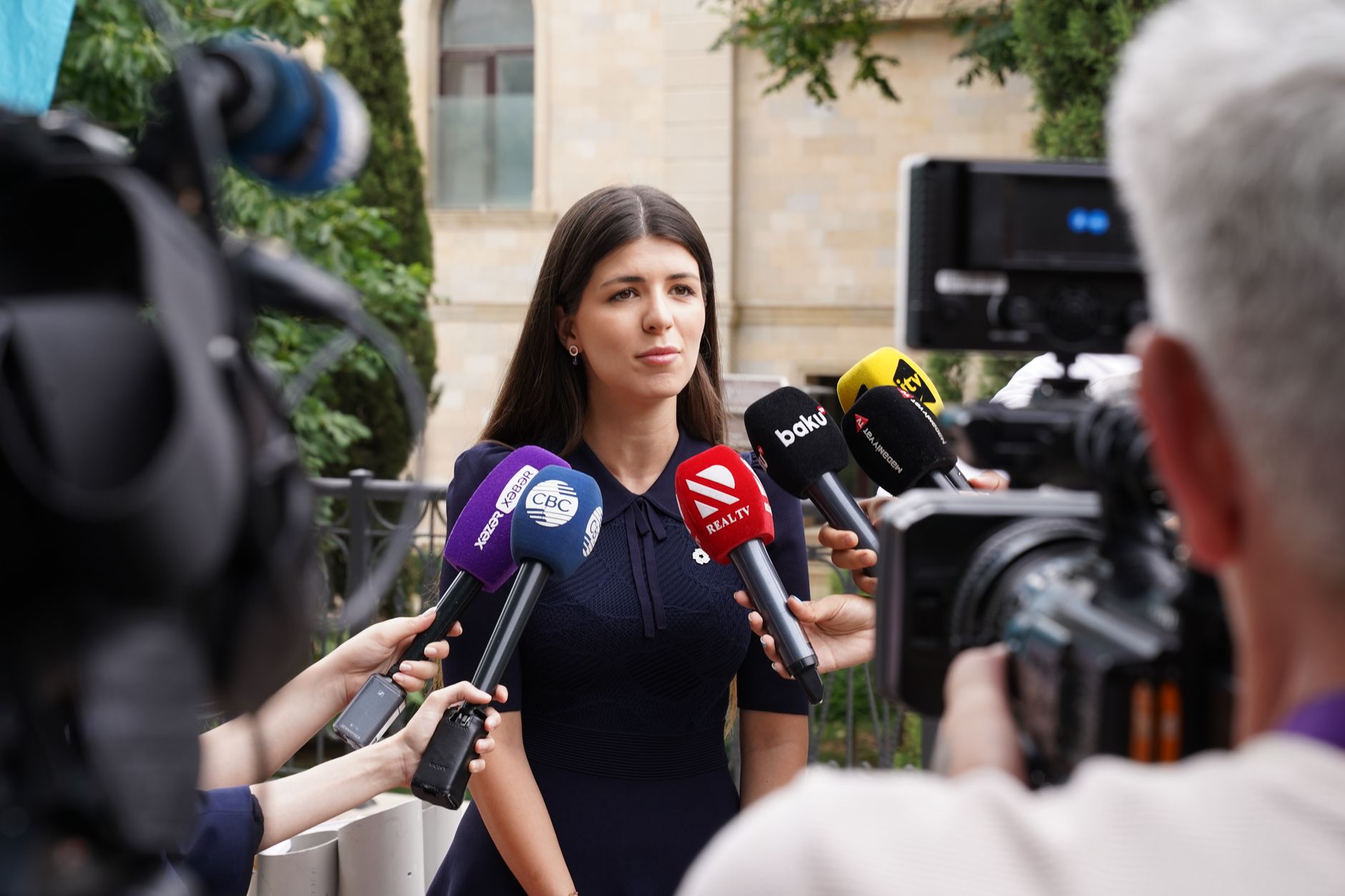
SEO press release: a complete guide to writing and distributing one in 2026
AS
Alberto Sanz Diaz SEO professional with over 10 years building and ranking web projects. Runs digital PR and press release campaigns on own and client projects.
Guide updated 2026-08-24. Based on real press release campaign practice and Google's public guidelines on content and links.
A well-built press release remains, in 2026, one of the most effective ways to earn genuine editorial backlinks, referral traffic and brand visibility at the same time. Unlike buying a single link on a generic blog, a press release published on a real outlet carries journalistic context, topical authority and, often, gets re-syndicated by aggregators and other outlets at no extra cost.
This guide covers what an SEO press release is, how to write one step by step, and which platforms to use to distribute it, with a comparison of the most used options on the Spanish-language market: Publisuites, Prensarank, Prensalink, GetaLink, Unancor, Growwer and Getfluence.
The goal isn't just landing a link: a press release with no real news behind it shows, and serious outlets reject it. The key is treating it first as a genuine journalistic piece, and only second as an SEO lever.
What an SEO press release is and how it differs from a regular one
A traditional press release aims to inform outlets about company news. An SEO-oriented press release pursues the same goal, but also deliberately optimizes a few elements that maximize its ranking value:
Main keyword in the headline and lead, always kept natural without sacrificing the journalistic tone.
Well-placed links: in the boilerplate paragraph and, when the outlet allows it, one or two contextual links within the body pointing to relevant pages on your site.
Scannable structure: short paragraphs, subheadings for longer releases, and a direct quote that adds authority and citability for other outlets.
Optimized multimedia: original images with descriptive alt text, which increase the chance an outlet runs the release as-is.
An SEO press release is written first as a journalistic piece, then optimized.
Why press releases still boost SEO in 2026
Genuine editorial links: unlike a link bought in a generic listing, a press release link sits inside real journalistic content.
Immediate referral traffic: readers who click through arrive with informational intent, not just domain authority.
Multiplier effect: digital outlets often syndicate or republish agency news, which can generate several extra links at no additional cost.
Brand authority and trust: appearing in recognized outlets reinforces the E-E-A-T signals (experience, expertise, authority, trust) Google weighs increasingly heavily in YMYL sectors.
Unlinked mentions count too: Google recognizes brand mentions as an entity signal, even when the outlet doesn't include a direct link.
Comparing platforms for distributing press releases
Platform
Category
Approx. price
Strong point
Publisuites
Links and press releases
From ~EUR 60/release
Spanish-language media, large marketplace
Prensarank
Press releases with link
From ~EUR 50/release
Specialized in SEO press releases
Prensalink
Link and press release marketplace
Varies by outlet
Very large catalog (20,000+ outlets)
GetaLink
Links, releases, GBP reviews
Varies by outlet
All-in-one: releases + mentions + newsletters
Unancor
Link marketplace
Per link
Fine-grained outlet filtering
Growwer
Multi-country link platform
Per publication
Volume and international reach
Getfluence
Premium media
High (per publication)
Reference and prestige outlets
For a more detailed side-by-side of the two most used platforms on the Spanish-language market, see our Publisuites vs Prensarank comparison.
Picking the right outlet and distribution platform matters as much as the copy itself.
How to write an SEO press release, step by step
Step 1: Define a real, newsworthy story
Before writing anything, confirm you have a genuine story: a product launch, funding round, strategic partnership, data from a proprietary study, an award or a meaningful milestone. If the only update is minor, a blog post on your own site is a better fit than a press release.
Step 2: Write the headline and lead paragraph
The headline must be informative and include the main keyword naturally, without sounding like an ad. The lead paragraph (first paragraph) should answer who-what-when-where-why in two or three sentences: it's often the only part many journalists and readers will read before deciding whether to continue.
Step 3: Build out the body with data and context
Add concrete figures, market context and at least one direct quote from a company spokesperson (founder, director, department lead). Quotes add journalistic credibility and make the release more citable by other outlets.
Step 4: Add the company boilerplate paragraph with a link
At the end of the release, add a short paragraph describing the company and linking to your site. This is the main link that carries SEO value: use a natural anchor (brand name or URL) instead of a forced exact-match keyword.
Step 5: Add optimized images
Attach at least one high-resolution image or logo with descriptive alt text. Releases with original images are more likely to be picked up by outlets and aggregators than text-only ones.
Step 6: Choose the outlet or distribution platform
Pick outlets relevant to your industry and geography. For volume with controlled cost, platforms like Publisuites or Prensarank make it easy to distribute to dozens of outlets; for coverage in reference media, consider Getfluence or direct journalist outreach.
Step 7: Measure the results
After publishing, check Google Search Console for new mentions, your backlink analysis tool (Ahrefs or Semrush) for new links earned, and your analytics for referral traffic from the outlets that ran the story.
Common mistakes that hurt credibility and SEO value
A promotional headline instead of a newsworthy one: serious outlets reject releases that read like an ad ("the best", "revolutionary") instead of news.
Keyword stuffing: repeating the exact keyword several times breaks the journalistic tone and is obvious to both readers and Google.
No quote or spokesperson: a release with no human voice behind it loses credibility and citability.
Publishing without real news: flooding the market with weak announcements damages your brand's reputation with outlets and burns through your distribution budget.
Ignoring the outlet's format: every outlet has its own editorial style; adapting the release increases the odds it runs unedited, with the link intact.
Warning sign: be wary of platforms that guarantee "placement in top-tier media" at very low prices: these are often satellite sites created only to host paid press releases, with no real audience or editorial value.
Adapting the release to each outlet's editorial style increases the odds it runs unedited.
Press releases vs other link building tactics
Press releases are just one piece of a broader link building strategy. For the full picture of tactics -guest posting, digital PR with proprietary data, broken link building- see our 2026 link building guide. If you're comparing link-buying platforms in general, not just press releases, check out best platforms for buying links.
To audit the real effect of your press releases on your link profile, you need an SEO tool like Semrush or Ahrefs that shows which new domains are linking to you each month.
Frequently asked questions about SEO press releases
What is an SEO press release?
An SEO press release is a news announcement about your company, product or brand, written and distributed to digital media outlets with the added goal of earning quality backlinks, referral traffic and brand mentions that support your organic rankings, on top of the usual PR and informational purpose.
Do press releases actually help SEO?
Yes, as long as they carry real news value. A press release published on an outlet with traffic and authority creates a link (dofollow or nofollow) back to your site, direct referral traffic from the outlet's readers, and is often picked up by aggregators and other outlets, multiplying reach. The impact on rankings is not immediate, but it contributes to domain authority over the medium term.
Are nofollow links from a press release worth anything?
Yes. While a nofollow link does not pass authority the same way a dofollow one does, Google still uses it as an additional signal, and it generates real referral traffic and brand visibility. If the outlet has an audience, it can also lead to organic mentions from other sites that link without the nofollow tag.
How much does it cost to publish an SEO press release?
Cost varies widely by outlet and platform: from around EUR 50-60 on platforms like Prensarank or Publisuites for niche media, up to several hundred euros on premium or high-traffic general outlets via Getfluence. PR agencies also write and distribute releases for a flat fee covering several outlets.
What structure should an SEO press release follow?
A clear, newsworthy headline (not a sales pitch), a lead paragraph covering who-what-when-where-why in the first two sentences, a body with data and context, one or two quotes from a spokesperson, a company boilerplate paragraph linking to your site, and press contact details. The main keyword should appear naturally in the headline and first paragraph, never forced.
Can I write the press release myself or do I need an agency?
You can write it yourself if you have a genuine story and follow standard journalistic structure. A PR agency adds value when you need direct journalist contacts, a newsworthy angle you can't see from inside the company, or distribution to higher-tier outlets than the ones accepting releases from paid platforms.
How often should I publish press releases?
There's no fixed frequency, but publishing releases without real news behind them (minor updates, recycled content) reduces credibility and outlet interest. It's better to focus effort on 4-8 press releases a year built on solid news (funding rounds, meaningful product launches, proprietary study data, company milestones) than to flood the market with weak announcements.
What's the difference between a press release and a sponsored article?
A press release is written in a neutral, objective journalistic format centered on news; a sponsored article usually has a more commercial angle and can include direct opinion or product recommendation. Many outlets distinguish between the two formats and label sponsored content as advertising, while a well-written press release reads as genuine information.
Affiliate disclosure: Some links on this page may be affiliate links. If you sign up for a service through them, we may earn a commission at no extra cost to you. This does not influence our reviews, which are based on public data and real-world use.