
From retail to public administration: every business and sector that uses the mystery shopper to measure and improve the customer experience.
Mystery shopping is not exclusive to any single sector. It applies to any business where customer service is part of the service protocol and where the quality of that service affects profitability. The question is not whether mystery shopping can be applied to your sector, but rather which specific aspects are worth measuring in your case.
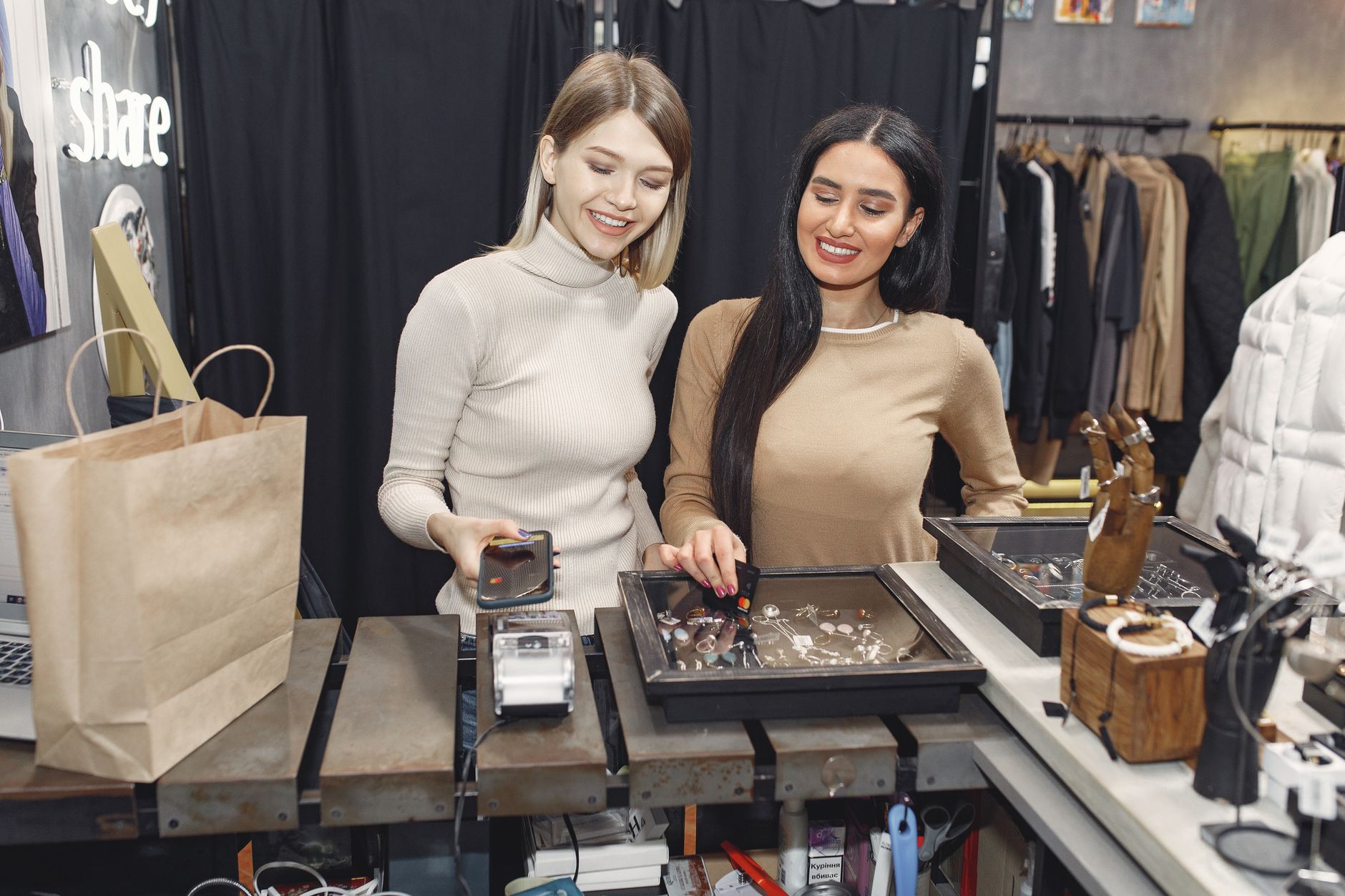
Retail is the most traditional mystery shopping sector. Fashion, electronics, sports, specialty grocery and stationery chains use the mystery shopper to verify compliance with the sales protocol (greeting, needs identification, cross-selling, farewell), the presentation of the point of sale (tidy shelving, correct price signage, up-to-date window displays) and returns handling. The large fashion chains (Zara, H&M, Mango) run continuous programmes with monthly visits per store.
In restaurants, cafes and fast food chains the mystery shopper (in this context called a mystery diner) evaluates service times, the temperature of dishes, the waiter's knowledge of the menu and allergens, the cleanliness of the dining room and restrooms, and how the bill is handled. Fast food and casual dining chains use it to guarantee a uniform experience across franchisees. See our guide on restaurant service times.
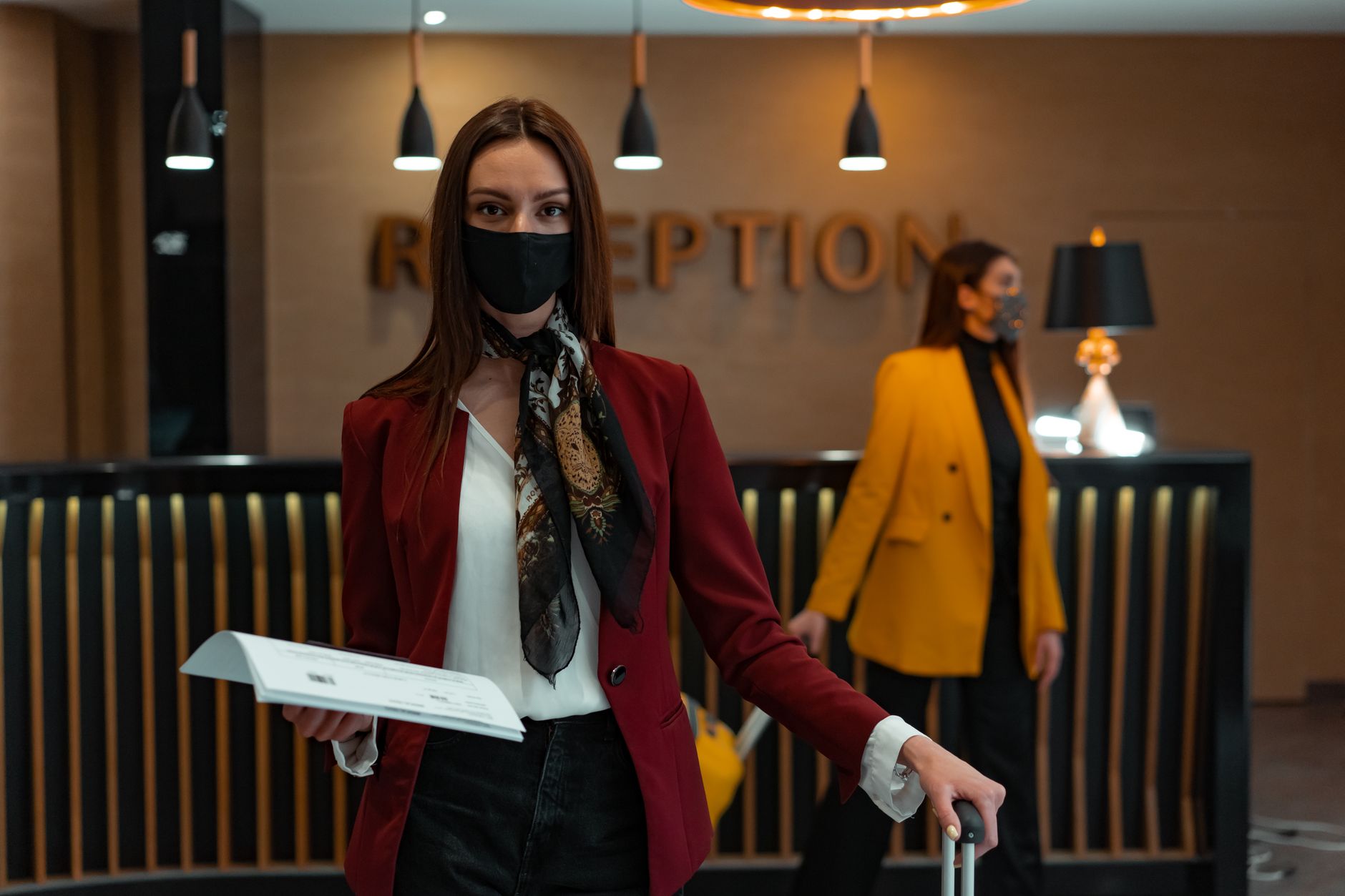
In the hotel sector the variant is called mystery guest and it covers the entire stay: reservation, check-in, room, F&B, common facilities (spa, pool, gym), security and check-out. It is the standard for 4 and 5-star chains and is increasingly adopted by boutique hotels. See the 7 key elements a mystery guest evaluates.
Banks and insurers are heavy users of mystery shopping for two reasons: first, regulatory compliance (MiFID II, customer information protocols on investment products); second, evaluating the cross-selling protocol (insurance tied to mortgages, pension plans). The mystery shopper in banking acts as a customer who wants to open an account, take out a mortgage or get information on investments, and measures whether the employee follows the correct protocol. See our dedicated guide to mystery shopping for banks.
In dealerships the mystery shopper evaluates the welcome, the presentation of the vehicle of interest, the test drive offer, the financing process and the post-visit follow-up (a call or email within an agreed timeframe). Premium brands (BMW, Mercedes, Audi) have very demanding mystery shopping standards with minimum scores for their official dealerships.
In pharmacies the mystery shopper evaluates the quality of pharmaceutical advice (whether the pharmacist asks about allergies or current medication before recommending a product), discretion at the counter, the availability of basic medication in stock, and waiting times. It is a sector with specific regulation where the quality of advice has direct implications for patient health.
The physical stores of telecom operators (Vodafone, Orange and others) use mystery shopping to verify the clarity with which tariffs are explained, the handling of number portability, the resolution of service issues and waiting times. The sector has a high rate of consumer complaints, which makes compliance with the transparent information protocol especially critical.
In dental clinics, opticians, aesthetic medicine centres and physiotherapy centres the mystery shopper evaluates the welcome, waiting time, clarity of the quote, discretion in handling health data and post-visit follow-up. It is a fast-growing mystery shopping sector driven by the expansion of private health chains and the need for protocol uniformity.
For franchisors, mystery shopping is the only mechanism that guarantees the brand protocol is followed at every point of sale in the network. A franchisee that fails to meet the service standard damages the franchisor's brand. Mystery shopping programmes in franchises include periodic visits to every outlet, score comparisons between franchisees and improvement plans tied to contract renewal.
In the real estate sector the mystery shopper acts as a potential buyer or tenant and evaluates the welcome at the agency, the quality of the information about available properties, the agent's proactivity, transparency about costs and commissions, and post-visit follow-up. With the proliferation of online portals, the in-person visit to the agency has become a high-emotion moment that determines the final decision.
Online mystery shopping or e-mystery evaluates the complete digital experience: ease of navigation on the website or app, the purchase process, chat or chatbot response time, the quality of the customer service response by email or phone, returns handling and abandoned cart recovery. It is especially relevant for ecommerce, online banking and subscription services. See how to measure customer experience in retail.
| Sector | Method | What is mainly evaluated |
|---|---|---|
| Retail | In-store | Sales protocol, PoS presentation, cross-selling, returns |
| Restaurants | Mystery diner | Timing, temperature, menu, allergens, cleanliness, bill |
| Hotels | Mystery guest | Check-in/out, room, F&B, staff, facilities |
| Banking & insurance | In-store + phone | MiFID compliance, cross-selling, waiting time, discretion |
| Dealerships | In-store | Test drive, financing, post-visit follow-up |
| Pharmacies | In-store | Pharmaceutical advice, discretion, stock availability |
| Telecoms | In-store + phone | Tariff clarity, portability, waiting time, complaints |
| Clinics | In-store | Welcome, quote, privacy of health data |
| Franchises | In-store | Protocol uniformity across outlets |
| Real estate | In-store | Buyer/tenant service, commission transparency |
| Ecommerce / apps | E-mystery online | UX, purchase process, digital customer service, returns |
| Public administration | In-store + online | Waiting time, information quality, accessibility |
If your business has a customer service protocol and more than one service point, mystery shopping most likely applies. Contact InsidePro360 for an initial diagnosis with no commitment.
Ask about your sector →Beyond the classic sectors, three new contexts are driving growing demand for mystery shopping in 2026:
Care homes and social-health centres. The growth of the elderly care sector has generated new demand for auditing the quality of care and the service protocol. Mystery shopping here evaluates the welcome given to relatives, the information provided about the resident's health status, the accessibility of the facilities and the complaint-handling protocol. It is a high-emotion sector where the perception of care can carry significant legal and reputational consequences.
Public administration and counter services. Service-quality regulations in public administration have driven mystery shopping programmes in social security offices, employment offices, civil registries and municipal citizen services. The evaluator measures waiting time, the clarity of the information provided, the referral protocol when an enquiry exceeds the officer's remit, and accessibility for people with a disability or language barrier.
Sustainable mobility: charging stations and electric vehicle dealerships. With the rise in electric vehicle registrations, EV manufacturers and public charging networks are starting to audit their touchpoints through mystery shopping. They evaluate the availability and condition of chargers, the clarity of the payment process and support in the event of a technical incident during charging. It is a rapidly maturing sector where service-quality standards are not yet consolidated, which makes external auditing especially valuable for benchmarking.